After Stephen Colbert’s Viral Talk Show Parody, CBS Backs Down from Copyright Action
Stephen Colbert’s Viral Parody Sparks Copyright Controversy

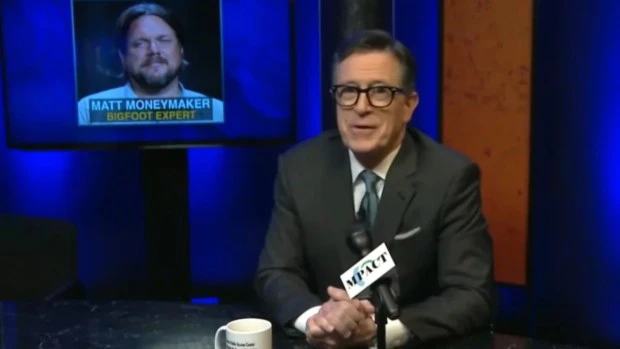
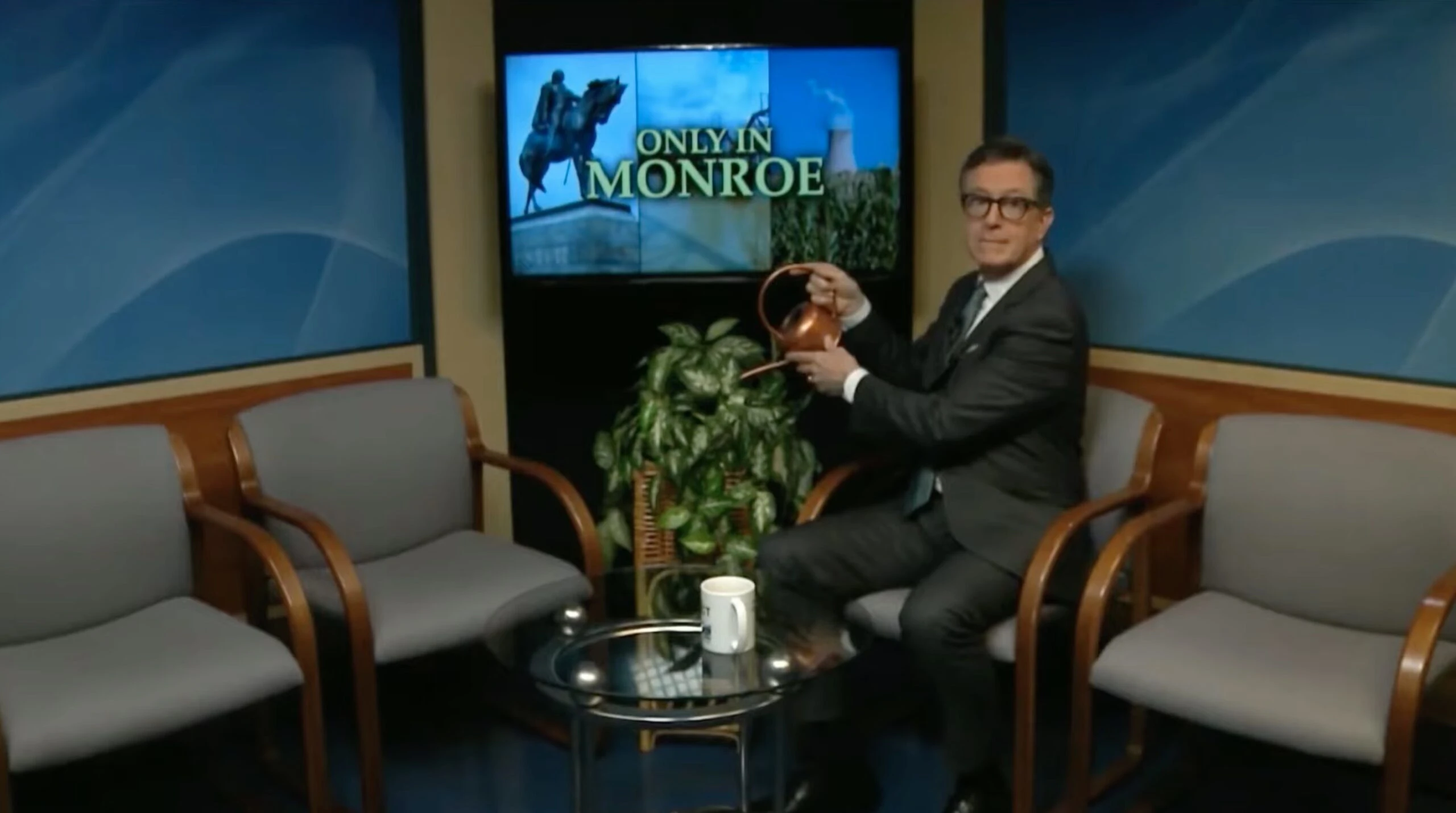
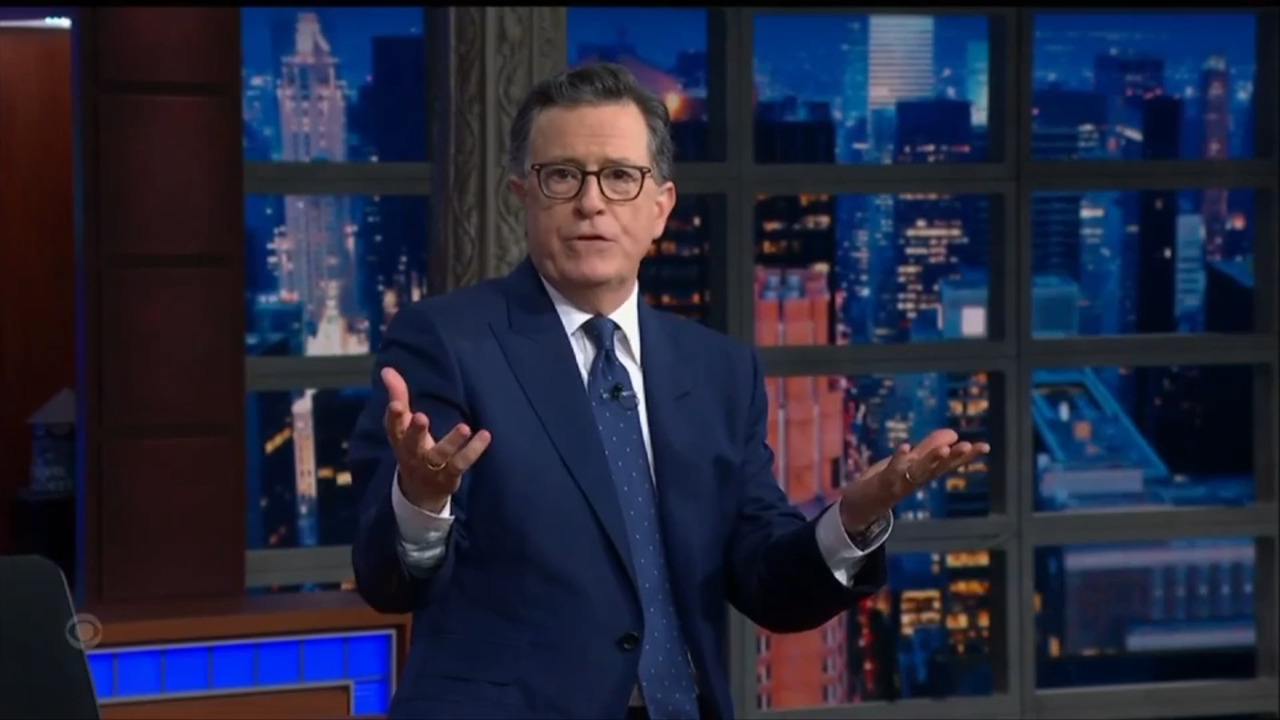
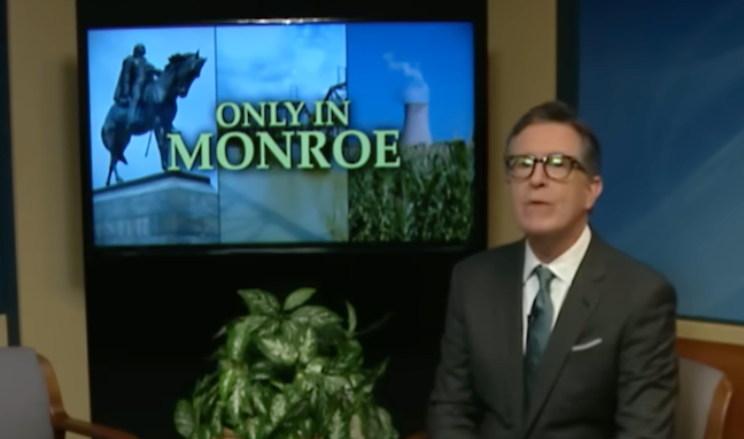
Stephen Colbert, the celebrated late-night host, recently made headlines with a clever parody that quickly went viral. After his departure from the iconic “The Late Show,” Colbert took a humorous detour by hosting a mock local public access show titled “Only In Monroe,” filmed in Monroe, Michigan. The parody was a witty nod to his transition from a major network platform to a small-town cable access station, and it resonated widely with fans and viewers.
However, the viral spread of this hour-long parody led to unexpected complications. CBS, the network that aired “The Late Show,” alongside its parent company Paramount, initially took copyright enforcement actions against unauthorized reposts of the “Only In Monroe” episode on platforms like YouTube and social media. This move sparked a debate about copyright enforcement, fair use, and the boundaries of creative expression in the digital age.
The Backstory: From Late-Night Stardom to Local Access TV
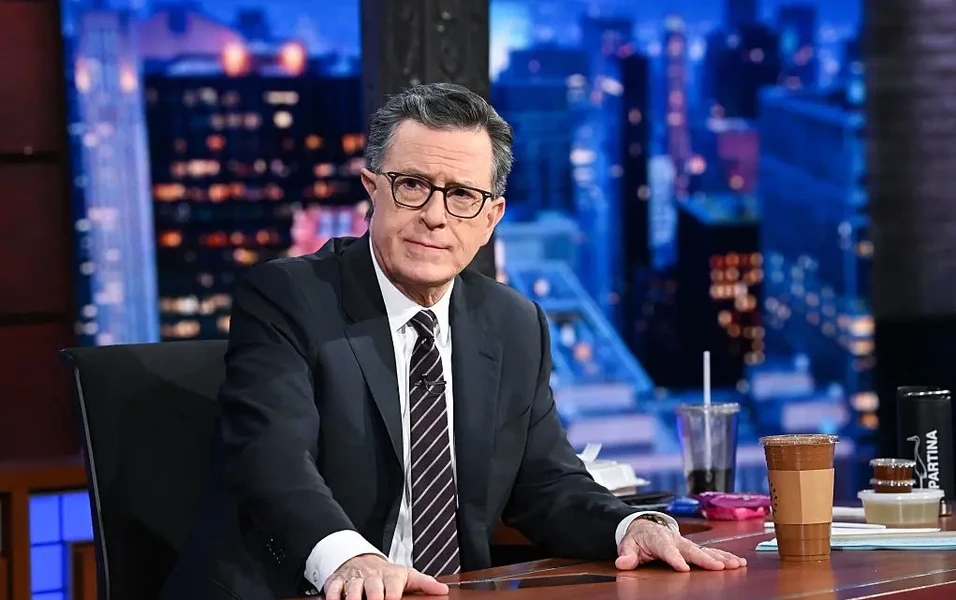
Stephen Colbert’s tenure as host of “The Late Show” spanned nearly 11 years, during which he became a staple of political satire and late-night entertainment. His departure in mid-2026 marked the end of an era, with CBS citing financial reasons for the cancellation. The network’s parent company, Paramount Global, was also navigating a complex merger with Skydance Media, adding layers of corporate strategy to the decision.
In the wake of his exit, Colbert’s parody of “Only In Monroe” was a tongue-in-cheek way to express his feelings about leaving the national spotlight. The show featured quirky local content, including humorous segments about Bigfoot sightings and community events, with appearances from notable figures like musician Jack White and actor Jeff Daniels. The stark contrast between Colbert’s former high-profile role and the humble setting of Monroe Community Media was the core of the parody’s charm.
CBS’s Initial Copyright Enforcement and Subsequent Retraction
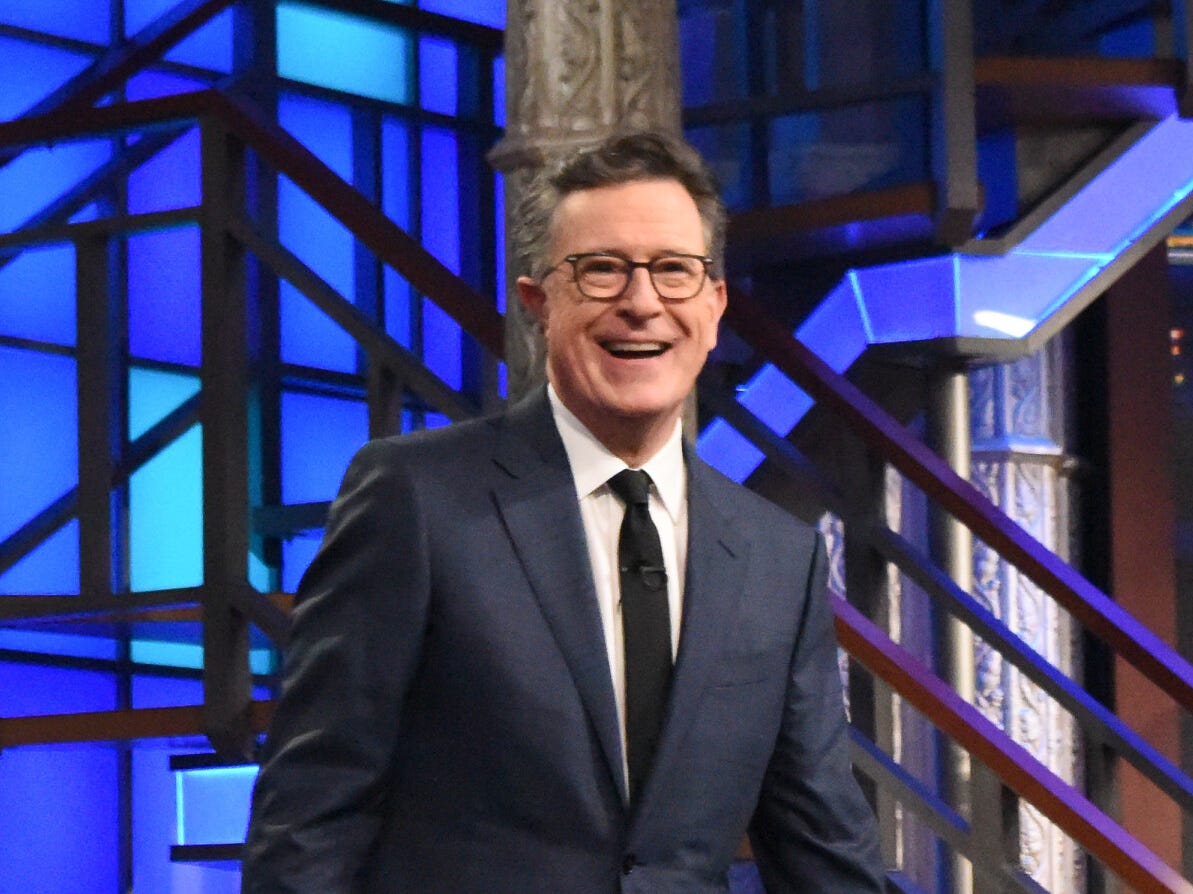
As the parody gained traction online, CBS and Paramount issued copyright takedown notices to various platforms hosting unauthorized copies of “Only In Monroe.” This action was consistent with the companies’ standard practice of protecting their intellectual property and controlling distribution channels.
However, the aggressive enforcement drew criticism from media observers and fans who viewed the parody as a transformative work that fell under fair use protections. Matthew Keys, a veteran media reporter, highlighted the issue on social media, describing the copyright claims as “frivolous.”
Responding to the backlash, CBS released a statement clarifying that the episode was financed and produced by CBS Studios and was officially authorized for distribution only on three YouTube channels: “The Late Show,” Monroe Community Media, and Stephen Colbert’s personal channel. Despite this, CBS announced it would waive further copyright enforcement on the episode pending additional review, effectively backing down from its initial stance.
Implications for Content Creators and Media Companies
The incident surrounding Stephen Colbert’s parody and CBS’s copyright enforcement highlights several important issues in today’s media landscape. For content creators, it underscores the challenges of navigating copyright laws while producing innovative and transformative works that engage audiences in new ways.
For media companies, the situation illustrates the delicate balance between protecting intellectual property rights and fostering goodwill among viewers and creators. Overzealous copyright enforcement can lead to negative publicity and alienate fans, especially when the content in question is created by a beloved figure like Colbert.
Moreover, this episode serves as a case study in how traditional media companies are adapting to the realities of digital content distribution, where viral moments can quickly spread beyond official channels. It also raises questions about how fair use is interpreted and enforced in the context of parody and satire, which have long been protected forms of expression under U.S. copyright law.
The Role of Parody in Media and Copyright Law
Parody has historically been recognized as a vital form of social commentary and artistic expression. It often involves the use of copyrighted material in a way that comments on or critiques the original work, which is generally protected under fair use provisions.
Stephen Colbert’s “Only In Monroe” parody fits squarely within this tradition, using humor and satire to reflect on his own career and the broader media environment. The initial copyright claims against the parody raised concerns about the potential chilling effect such enforcement could have on creative freedom.
The resolution of the dispute, with CBS stepping back from aggressive enforcement, reinforces the importance of allowing space for parody and satire in media. It also highlights the need for clear guidelines and thoughtful application of copyright law in the digital era.
Conclusion
Stephen Colbert’s viral parody of a local talk show not only entertained millions but also sparked a significant conversation about copyright enforcement and creative expression. CBS’s decision to retract its copyright claims demonstrates a recognition of the unique nature of parody and the value of fostering positive relationships with audiences and creators.
For content creators and media companies alike, this episode serves as a reminder of the evolving challenges and opportunities in today’s digital media landscape. If you’re interested in staying informed about the latest developments in media, copyright law, and entertainment, be sure to subscribe to our newsletter and follow our updates for expert insights and analysis.