
When a garden plant starts wilting, turning yellow, or dropping flowers, many people assume it is dying and pull it out. However, most of the time, the plant is simply starving for specific nutrients that the soil can no longer provide.
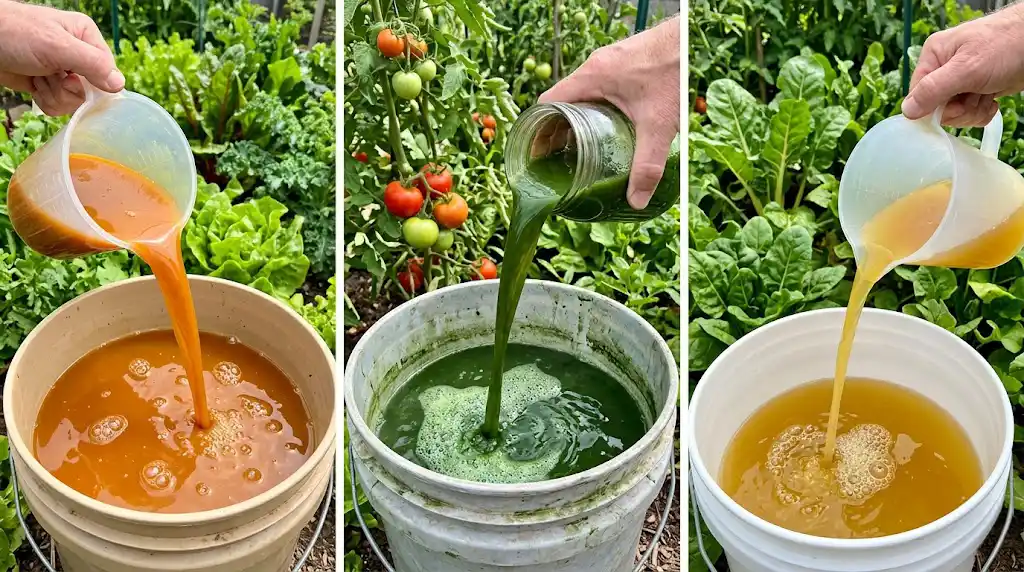
Instead of buying expensive chemical fertilizers, you can rescue your plants in as little as 48 hours using everyday kitchen waste. These natural items can be turned into fast-acting liquid fertilizers that feed your plants exactly what they need. Here are five powerful, free liquid fertilizers you can easily make at home.
1. Onion Peel Tea (Potassium & Immunity Boost)
Onion skins are packed with minerals that plants love. They also contain a natural compound called quercetin, which helps protect plants from heat, cold, and disease.
Materials Needed:
- A handful of dry, papery onion skins
- A glass jar
- Cool tap water
Instructions:
- Place the onion skins in the jar and fill it with the cool water.
- Leave the jar at room temperature for 24 to 48 hours.
- Wait until the water turns a deep amber color.
How to Use:
- Pour the liquid directly onto the soil around the base of the plant.
- Do not dilute the mixture.
- Use this for yellowing tomato plants or pepper plants that have stopped producing fruit.
2. Fermented Rice Water (Soil Builder)
Instead of feeding the plant directly, fermented rice water feeds the helpful microbes living in the soil. Once these microbes multiply, they make it much easier for the plant’s roots to absorb food.
Materials Needed:
- Cloudy water left over from rinsing uncooked rice
- A jar with a lid
Instructions:
- Put the cloudy rice water in the covered jar.
- Leave it at room temperature for 3 to 5 days.
- Wait until the liquid develops a faint sour smell. Do not skip this step.
How to Use:
- Mix 1 part of the fermented rice water with 10 parts of plain water.
- Pour the diluted mixture onto the soil.
- Apply it once a week throughout the growing season.
3. Vegetable Scrap Digestate (Nitrogen Power)
Old, wilted vegetables—like forgotten lettuce, bruised cucumbers, or soft tomatoes—are full of nitrogen. Nitrogen is the most common nutrient missing from home gardens, and it is essential for green, leafy growth.
Materials Needed:
- Old vegetable scraps
- A bucket
- A heavy plate
- Water
Instructions:
- Crush the vegetable scraps and put them into the bucket.
- Cover the scraps completely with water.
- Place the heavy plate on top to keep everything submerged.
- Let it sit for about two weeks until the water smells strong and earthy.
How to Use:
- Mix 1 part of the scrap liquid with 30 parts of fresh water. This liquid is very strong and must be diluted.
- Pour it strictly onto the soil around the roots.
- Never pour it directly onto the leaves, or it will burn the plant.
4. The Kitchen Cocktail (Full-Spectrum Feed)
If a plant is missing several nutrients at once, a single ingredient might not be enough. This recipe combines several kitchen scraps to create a complete meal for your garden.
Materials Needed:
- Banana peels (provides potassium)
- Finely crushed eggshells (provides calcium)
- Used coffee grounds (provides a slow release of nitrogen)
- 1 tablespoon of Epsom salt (provides magnesium)
- 1 tablespoon of blackstrap molasses (feeds bacteria to speed up the breakdown process)
- 1 gallon of warm water
- A large bucket with a cover
Instructions:
- Combine all the ingredients in the bucket.
- Cover the bucket and let it steep for 3 to 5 days.
How to Use:
- Pour the liquid directly onto the soil.
- Use this to provide a fast, full-spectrum rescue for tired, failing plants.
5. Aged Manure Tea (The Traditional Rescue)
Long before chemical fertilizers existed, farmers relied on animal manure. By turning manure into a liquid tea, you can safely deliver a rich blend of nitrogen, phosphorus, and trace minerals directly to the roots.
Materials Needed:
- A shovelful of completely dry, aged manure (from chickens, cows, or rabbits). It must be at least six months old. Never use fresh manure.
- A porous sack (like an old pillowcase or mesh laundry bag)
- A 5-gallon bucket of water
Instructions:
- Place the aged manure into the porous sack and tie it securely shut.
- Drop the sack into the 5-gallon bucket of water.
- Let it steep for 3 to 5 days.
How to Use:
- Dilute the finished tea with fresh water until it looks like weak iced tea (about 1 part tea to 10 parts water).
- Pour one cup of the diluted tea at the base of the plant.
- Apply this in the early morning or late evening when the weather is cool.
By reusing simple items from your kitchen and yard, you can build rich soil and keep your garden thriving all season long.


