
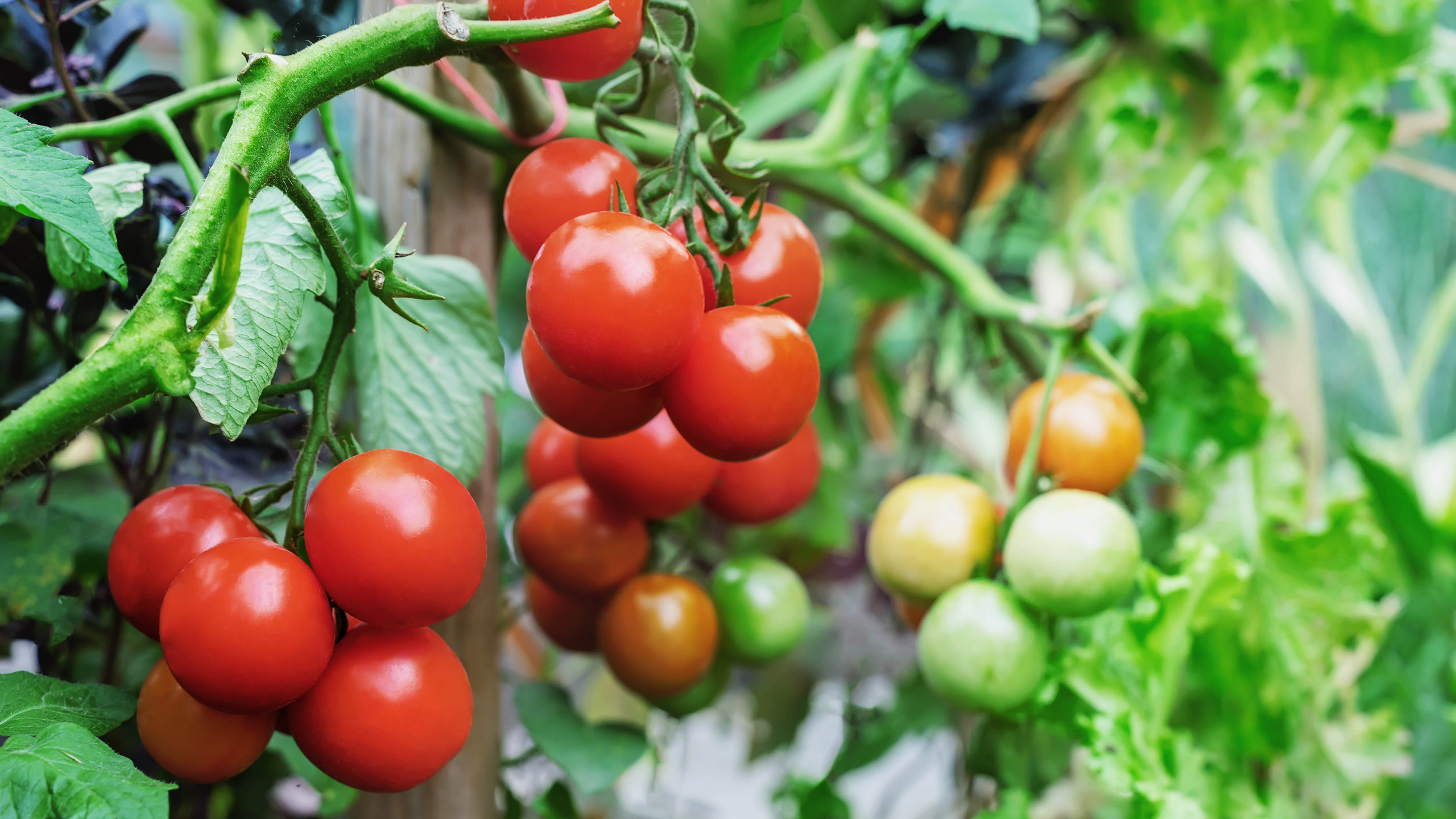
Tomatoes are one of the most rewarding crops for home gardeners, but they are also among the most misunderstood when it comes to pruning. Many growers either avoid pruning altogether or remove too much, both of which can reduce plant health and overall yield. Understanding how tomato plants grow and respond to pruning is essential for producing strong, productive vines and abundant fruit.
Pruning is not about cutting randomly; it is a strategic method of guiding plant energy, improving structure, and preventing disease. When done correctly, it can dramatically improve airflow, sunlight exposure, and fruit development.
Why Pruning Tomato Plants Is Important
Tomato plants grow rapidly and tend to produce dense foliage. While leaves are essential for photosynthesis, too much growth can create problems. Thick, unpruned plants often trap moisture, block sunlight, and reduce air circulation. These conditions make the plant more vulnerable to fungal infections such as blight, mildew, and rot.
Pruning helps balance the plant by removing unnecessary growth and allowing energy to be redirected toward flowering and fruit production. Instead of supporting excessive leafy growth, the plant focuses on producing larger, healthier tomatoes.
Core Principles of Effective Tomato Pruning
Successful pruning is based on three main goals: improving airflow, maximizing light exposure, and directing energy toward fruit development.
Good airflow reduces humidity around the plant, lowering the risk of disease. Proper sunlight penetration ensures that all parts of the plant can photosynthesize efficiently. At the same time, removing unproductive stems helps the plant concentrate its nutrients on fruit-bearing branches.
Keeping these principles in mind helps gardeners make better pruning decisions throughout the growing season.
Step-by-Step Guide to Pruning Tomato Plants
1. Assess Plant Structure and Growth
Begin by closely observing the plant. Look for areas where foliage is overly dense or where leaves overlap heavily. Identify stems that grow inward toward the center of the plant, as these often block light and airflow.
Pay attention to branches that receive little sunlight or appear weak compared to others. These are usually the first candidates for removal.
2. Remove Suckers Early
Suckers are small shoots that develop in the junction between the main stem and a branch. If left unpruned, they grow into full stems, creating a bushy and overcrowded plant.
Removing suckers while they are still small is easier on the plant and helps prevent unnecessary energy loss. If they grow too large, removing them later can stress the plant more significantly.
3. Prune Lower Leaves
As tomato plants mature, the lower leaves often become less productive. These leaves are also closer to the soil, where they are more likely to come into contact with moisture and pathogens.
Removing lower leaves improves airflow at the base of the plant and reduces the risk of soil-borne diseases. It is generally recommended to remove leaves that touch the ground or are below the first fruit cluster.
4. Eliminate Yellowing or Damaged Leaves
Leaves that turn yellow, brown, or show signs of disease should be removed immediately. These leaves no longer contribute to plant health and may even drain resources.
Regular removal of unhealthy foliage helps maintain plant vigor and prevents the spread of infections to other parts of the plant.
5. Thin Overcrowded Sections
If the plant becomes too dense, selectively remove some branches to improve balance. Focus on maintaining an open structure where sunlight can reach the interior of the plant.
Avoid removing too many leaves at once. The goal is to create space, not to strip the plant bare.
6. Maintain Ongoing Pruning
Tomato plants grow continuously throughout the season, so pruning should be a regular activity. Checking plants once a week allows you to remove new suckers and manage growth before it becomes excessive.
Consistent maintenance prevents the plant from becoming overgrown and keeps it productive over time.
Common Pruning Mistakes to Avoid
One of the most common mistakes is over-pruning. Removing too many leaves can reduce the plant’s ability to produce energy through photosynthesis, weakening growth and reducing fruit yield.
Another mistake is cutting too close to fruit clusters. This can accidentally damage developing tomatoes or reduce nutrient flow to the fruit.
Ignoring signs of disease is also a serious issue. Any leaves with spots, mold, or unusual discoloration should be removed immediately, and pruning tools should be cleaned regularly to prevent spreading infections between plants.
Additional Care Tips for Strong Tomato Plants
Pruning works best when combined with proper plant care practices. Providing structural support using stakes or cages helps prevent branches from breaking under the weight of fruit.
Although tomatoes require plenty of sunlight, extreme heat can sometimes stress plants. In very hot conditions, light shading during peak hours can help prevent sunscald on fruits.
Mulching around the base of the plant helps retain soil moisture, regulate temperature, and reduce weed competition. Consistent watering is also important, but overwatering should be avoided, as it can lead to root problems.
Final Thoughts
Pruning tomato plants is a skill that improves with observation and practice. While it may seem complicated at first, understanding how tomato plants grow makes the process much easier and more intuitive.
By improving airflow, controlling plant structure, and directing energy toward fruit production, pruning helps create healthier plants and significantly higher yields. Each plant may require slight adjustments depending on its environment, but the core principles remain the same.
With regular care and thoughtful pruning, your tomato plants can thrive throughout the season, producing strong vines and an abundant harvest of flavorful fruit.


