
Which is why what happened next felt so jarring — even to him.
Behind the warmth, the gentle humour, and the reassuring presence millions trusted, Hamza was quietly unravelling. And when the moment came, it didn’t announce itself with drama.
It arrived softly.
Then all at once.
“It completely caught me off guard,” he says now.
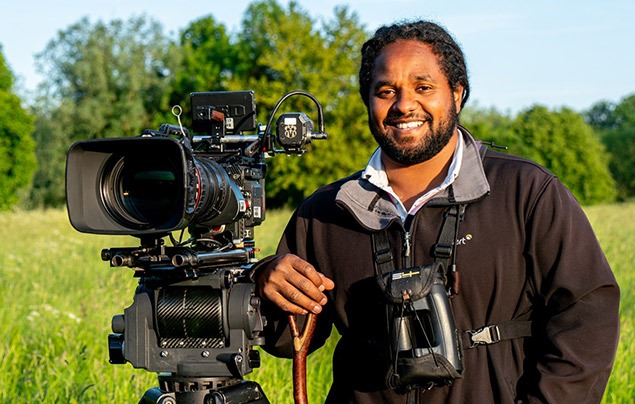
When the Body Speaks First
The first signs were physical. Persistent nausea. Bone-deep exhaustion. A sense that his body no longer followed familiar rules. At the time, Hamza focused on symptoms — appointments, tests, explanations.
What he didn’t anticipate was what came next.
Anxiety crept in slowly, then took control. Sleep vanished. Thoughts spiralled. The calm inner world people assumed he lived in became unfamiliar, even frightening.
“I couldn’t switch my head off,” he explains.
“Every thought felt louder than the one before. I started questioning everything — my health, my future, even who I was.”
Soon, anxiety gave way to paranoia. Ordinary moments felt overwhelming. The pressure to keep going — to stay grateful, upbeat, strong — became unbearable.
The Cost of Being “The Calm One”
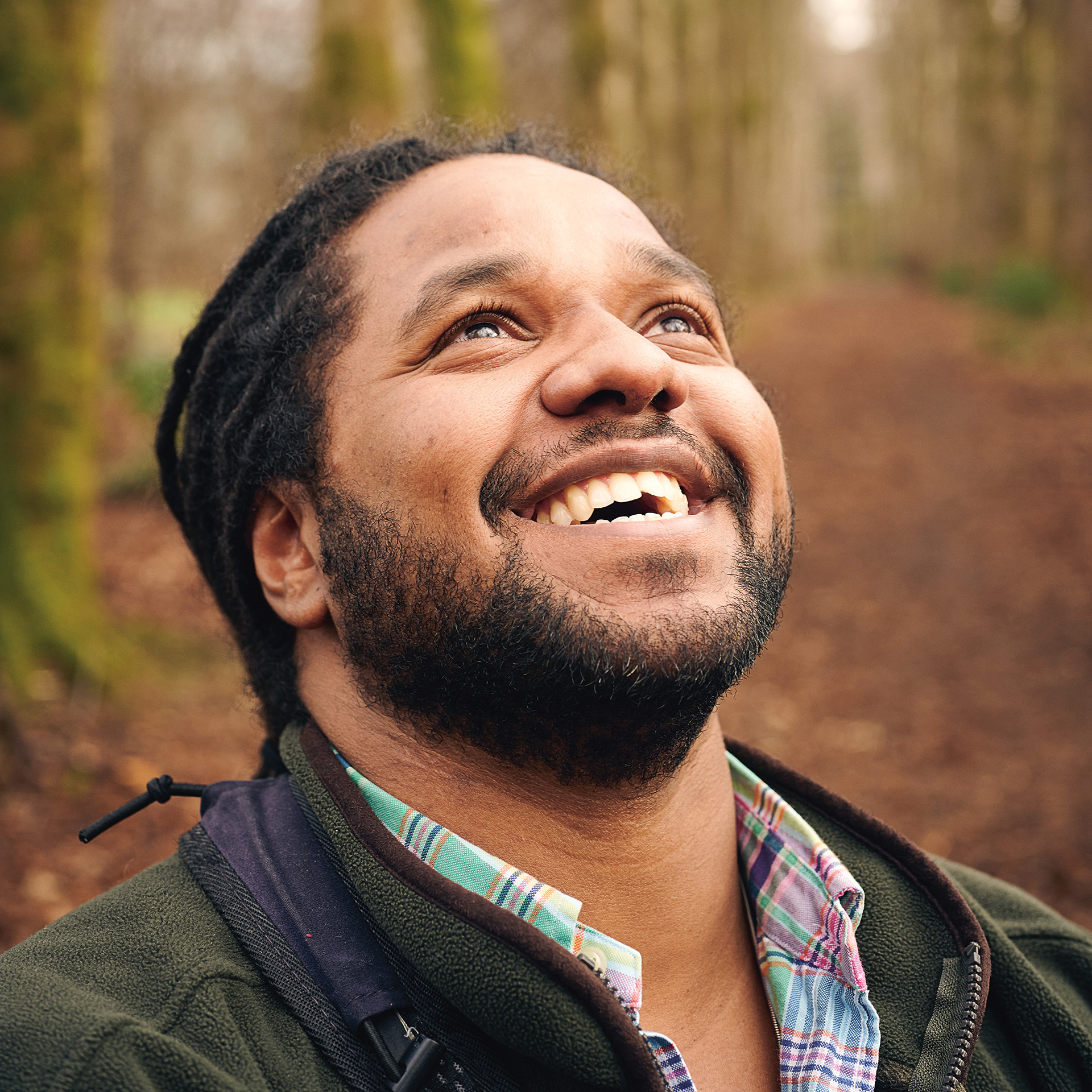
To the outside world, nothing seemed wrong. Hamza kept working. Kept smiling. Kept showing up as the version of himself people expected.
Inside, he was breaking.
“There’s this unspoken expectation,” he says quietly,
“that if you seem calm on the outside, you must be calm on the inside too. I felt like I was failing because I couldn’t live up to that anymore.”
Panic attacks arrived without warning. Simple decisions felt monumental. His body stayed locked in a state of alert — as if danger was always just around the corner.
And then, finally, everything stopped.
When Life Pauses Without Permission
Hospital rooms strip life down to its essentials. Lying there, surrounded by quiet machines and muted voices, Hamza felt exposed in a way he never had before.
“At first, it felt like defeat,” he admits.
“Like my journey had been cut short.”
For a man whose life has always been shaped by movement, nature, and exploration, enforced stillness was terrifying. There was nowhere to run. No landscape to lose himself in. No distraction from his own thoughts.
Yet in that stillness, something shifted.
Facing What He Could No Longer Ignore

With nowhere left to escape, Hamza was forced to confront emotions he hadn’t realised he’d been carrying for years.
Fear.
Vulnerability.
Self-doubt.
“I realised I’d been holding so much without noticing,” he reflects.
“I kept telling myself to push through, to be grateful, to not complain. But my body was trying to tell me something my mind refused to hear.”
The breakdown, he now understands, wasn’t failure.
It was a signal.
Learning to Say the Hardest Words
Recovery didn’t arrive in a single, cinematic moment. There was no sudden clarity or instant relief. Instead, there were small steps. Honest conversations. Days when simply getting out of bed felt like an achievement.
Hamza began opening up — to doctors, therapists, and those closest to him. For the first time, he allowed himself to say the words he had avoided.
“I’m not okay.”
“That was the hardest part,” he says.
“Not the anxiety itself — but admitting it out loud.”
With that honesty came something unexpected: relief.
“I didn’t realise how heavy silence was until I put it down.”
Redefining Strength
In a culture that celebrates resilience but rarely allows rest, Hamza’s story has struck a deep chord.
His experience challenges the idea that strength means enduring at all costs. That calm must be constant. That gratitude cancels pain.
For Hamza Yassin, real strength arrived in listening — to his body, to his mind, and to the warning signs he once ignored.
This wasn’t a collapse.
It was a reckoning.
And in sharing it, he’s offering something quietly radical to the millions who see themselves in his calm exterior:
Even the steadiest people are allowed to stop.
Even the strongest ones are allowed to say, I need help.


