
Every gardener has made at least one planting mistake they wish they could undo. Mine happened when I planted peppers and beans too close together.
At first, it seemed harmless. Both plants looked healthy, both belonged in a warm-season garden, and I thought they would grow side by side without any problem. But as the weeks passed, I started noticing something was wrong.
The beans were growing aggressively, while my pepper plants looked stressed and slow. The leaves were healthy enough, but the fruit production was disappointing. Instead of a full, colorful pepper harvest, I ended up with weak plants and far fewer peppers than I expected.
That was when I learned an important lesson: peppers and beans are not always the best garden neighbors.
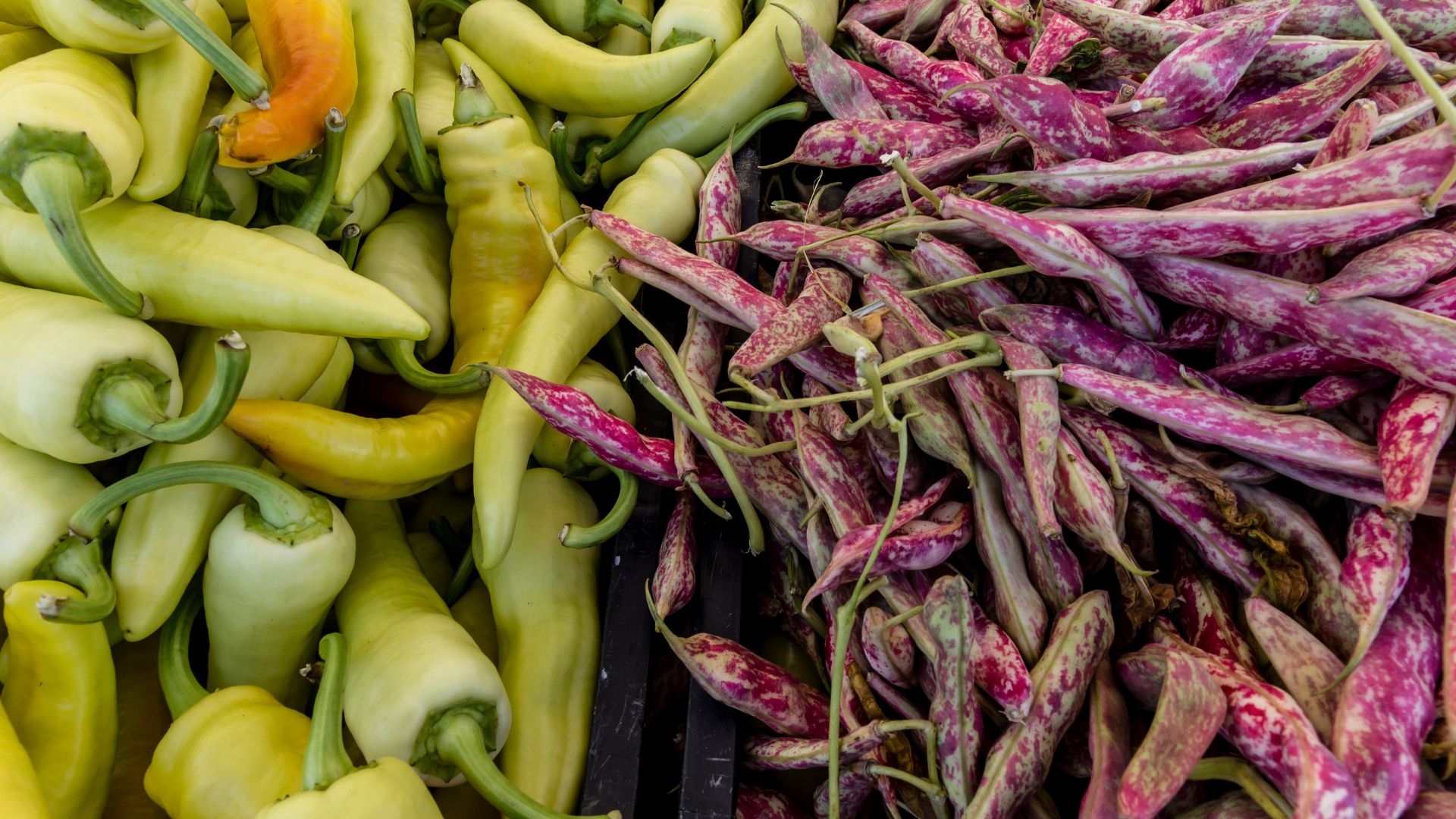
Why Peppers And Beans Can Clash In The Garden
Beans are often praised as helpful garden plants because they can improve the soil. They work with beneficial bacteria called rhizobia, which live in small nodules on their roots. These bacteria help beans take nitrogen from the air and convert it into a form plants can use.
That sounds wonderful, and in many cases, it is. Leafy vegetables such as spinach, lettuce, and other greens often appreciate nitrogen-rich soil because it encourages lush leaf growth.
But peppers do not always respond well to too much nitrogen.
Peppers need a more balanced supply of nutrients. They benefit from nitrogen in moderation, but they also need plenty of phosphorus and potassium to support strong roots, flowers, and fruit development. When the soil becomes too rich in nitrogen, pepper plants may focus more on leafy growth instead of producing flowers and fruit.
In other words, the plant may look alive and green, but the harvest can suffer.
What Happened To My Pepper Plants
When I planted peppers near beans, the pepper plants never reached their full potential. They did not completely die, but they clearly struggled. The growth was uneven, flowering was weaker than expected, and the fruit set was poor.
That was the most frustrating part. The plants looked like they should have been producing more, but the harvest simply did not match the effort I had put in.
Too much nitrogen can encourage leafy growth at the expense of fruit production. For peppers, that can mean fewer blossoms, fewer peppers, and smaller yields overall.
This mistake taught me that companion planting is not just about placing plants together because they look good in the same garden bed. It is also about understanding what each plant needs from the soil.
Beans Are Helpful, But Not For Every Neighbor
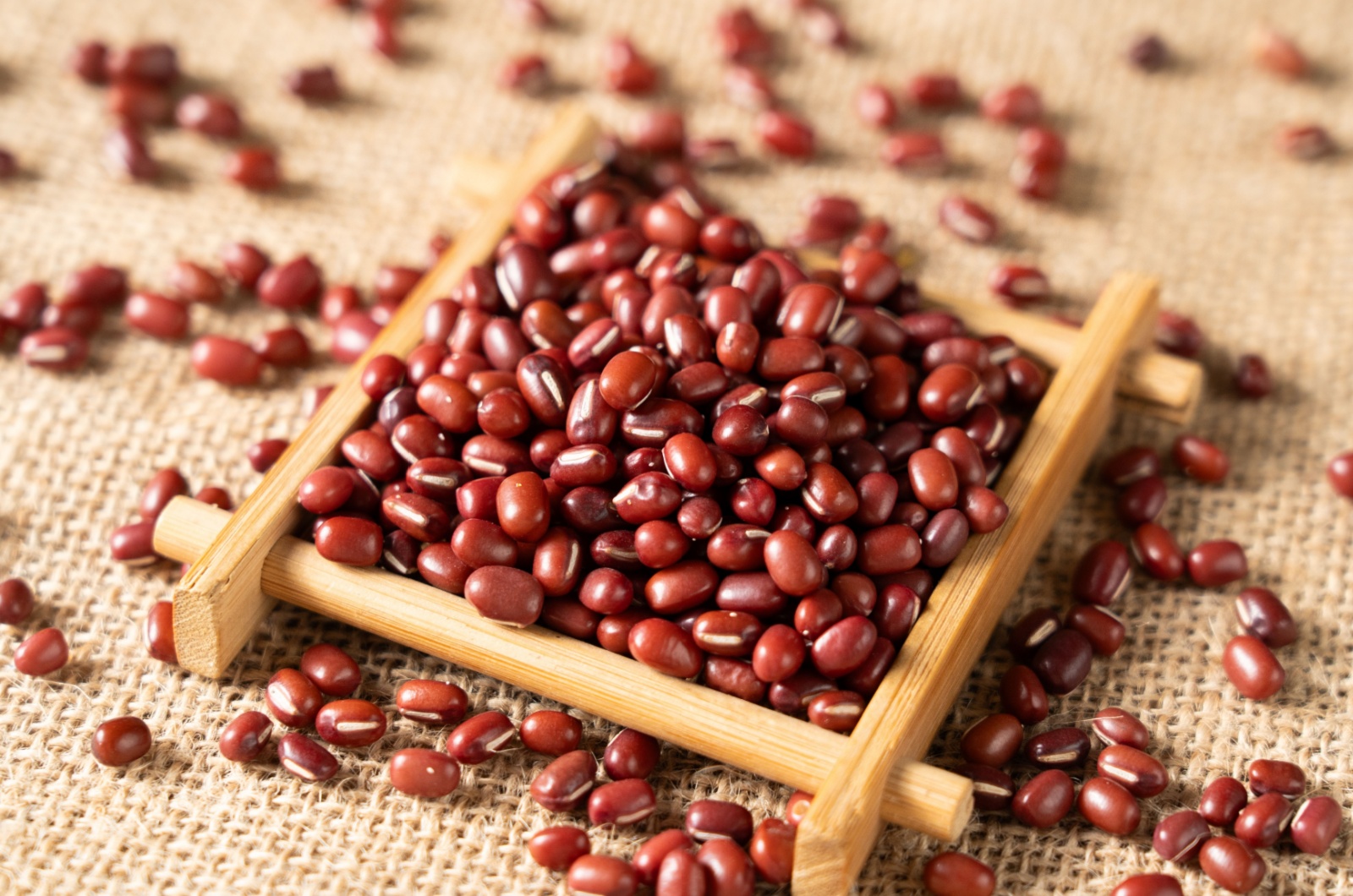
Beans are not bad plants. In fact, they can be excellent additions to the garden. They help support soil fertility and can grow beautifully when paired with the right crops.
The problem is that not every plant wants the same growing conditions. Beans can enrich the soil with nitrogen, while peppers prefer a more balanced feeding environment. When these two are planted too close together, the nutrient balance may not favor the peppers.
Beans can also compete for space, sunlight, and airflow if they are allowed to grow too close to pepper plants. Climbing beans especially can spread quickly and crowd nearby crops if they are not trained properly.
For a small garden, that competition can make a big difference.
What Peppers Actually Prefer
Peppers grow best in warm, sunny locations with well-drained soil and steady moisture. They need at least six hours of direct sunlight each day, though more sun is usually better.
They also need the right balance of nutrients. Nitrogen supports leaf and stem growth, but phosphorus helps with root strength and flowering, while potassium supports fruit quality and overall plant health.
If peppers receive too much nitrogen, they may produce lots of leaves but fewer fruits. That is why using a balanced fertilizer, or one designed for fruiting vegetables, is usually better than feeding peppers with too much nitrogen-heavy fertilizer.
Better Companion Plants For Peppers
Instead of planting peppers right beside beans, try pairing them with plants that are less likely to compete with them or disrupt their nutrient balance.
Good companions for peppers include tomatoes, carrots, basil, parsley, marjoram, and okra. These plants can share garden space more comfortably when given proper spacing, sunlight, and airflow.
Basil is especially popular near peppers because it is compact, aromatic, and useful in the kitchen. Carrots grow underground and do not heavily compete with pepper plants above the soil. Parsley and marjoram can also fit nicely around pepper beds without overwhelming them.
The key is to give peppers enough breathing room and avoid surrounding them with plants that grow too aggressively.
How To Avoid This Garden Mistake
If you want to grow both beans and peppers, you still can. Just avoid planting them too close together. Place beans in a separate bed, along a trellis, or in a different section of the garden where they can climb freely without crowding your pepper plants.
Give peppers their own sunny, open space with good airflow. Keep the soil evenly moist, feed them with balanced nutrients, and avoid overdoing nitrogen.
If you are planting in raised beds, consider putting beans at one end and peppers at the other, with enough distance between them. If your garden is small, containers can also help keep the two crops separated.
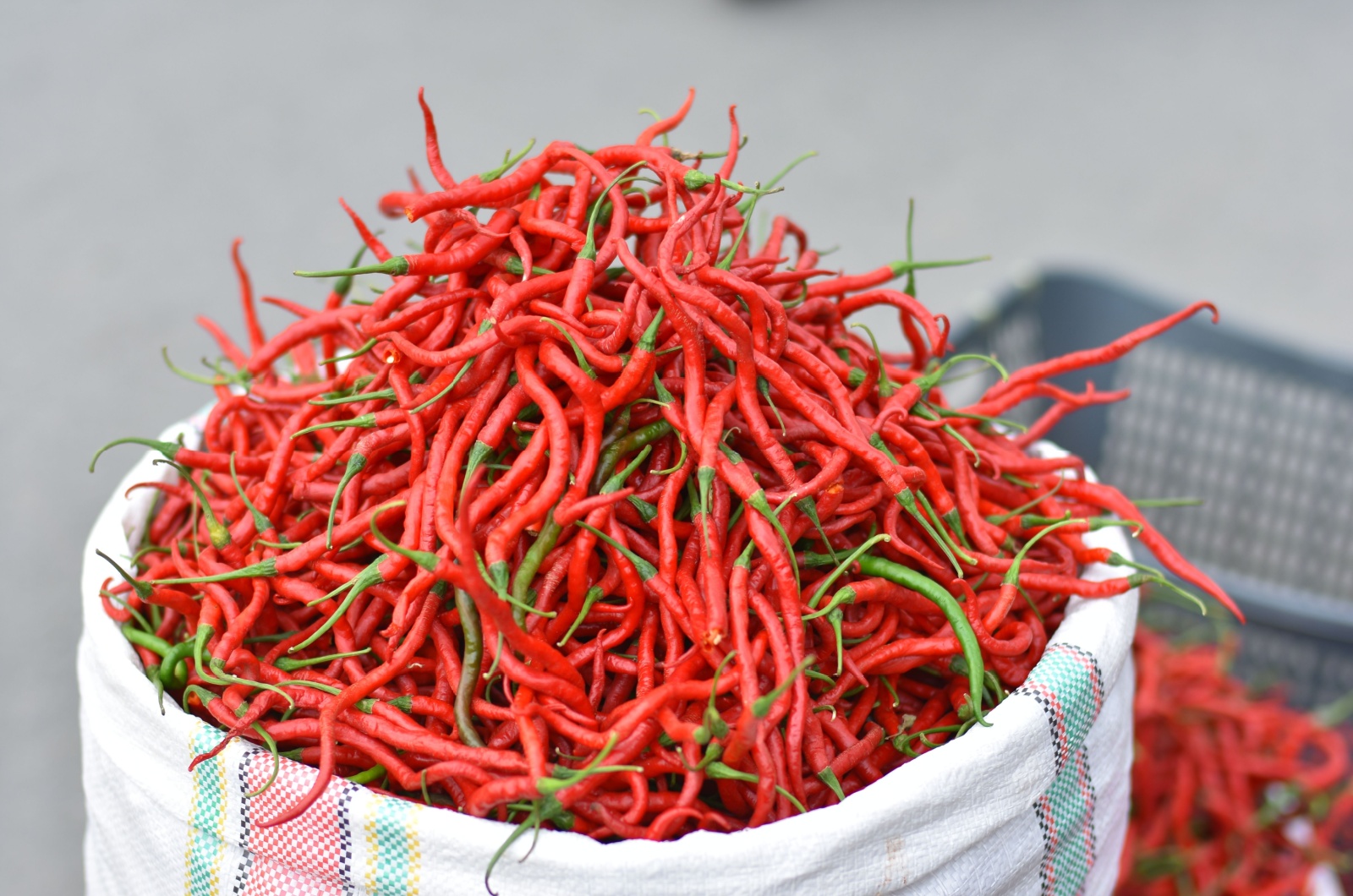
The Lesson I Learned
My pepper and bean mistake almost cost me an entire harvest, but it also made me a better gardener.
I learned that companion planting is not just about which plants can grow in the same season. It is about how plants use nutrients, how much space they need, and how they affect the crops around them.
Beans can be wonderful. Peppers can be incredibly rewarding. But in my garden, they do much better when they are not planted side by side.
So, if your peppers have been growing plenty of leaves but not producing many fruits, take a closer look at what is planted nearby. Sometimes the problem is not the pepper plant itself. It may simply be growing next to the wrong neighbor.
Keep your beans and peppers apart, and your harvest may thank you for it.


