
Aloe vera has long been loved as one of the simplest natural ingredients for calming and refreshing the skin. But when you turn it into ice cubes, this humble plant becomes an even more cooling beauty trick for tired, puffy, or irritated skin.
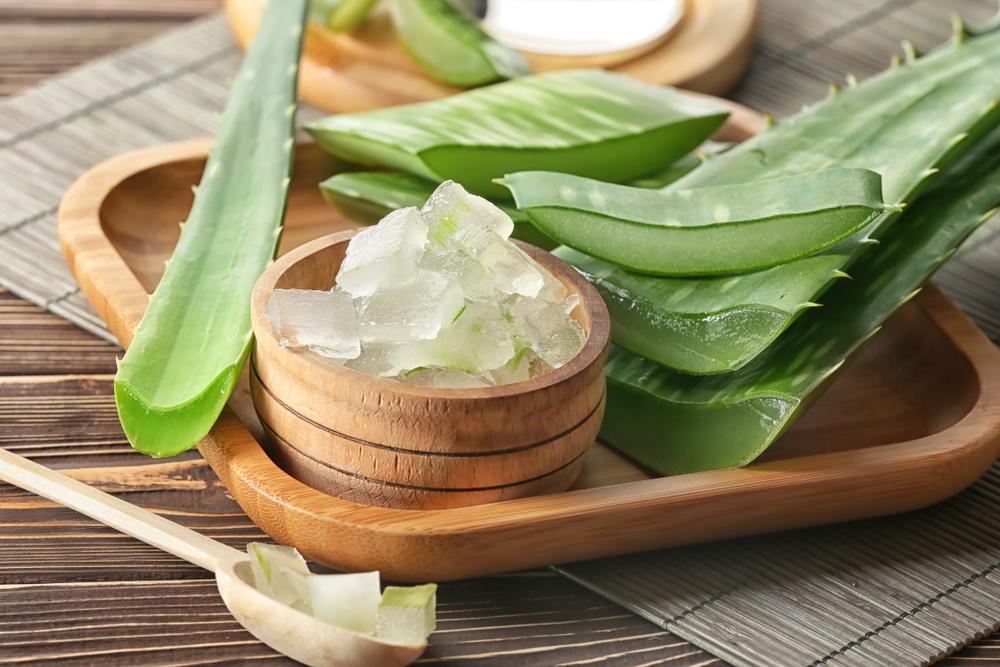
Aloe vera gel is naturally rich in water, soothing plant compounds, and antioxidants. It is often used to help hydrate the skin, calm mild redness, and bring a fresh, dewy look to the face. When combined with the cooling effect of ice, it can feel especially refreshing in the morning or after time in the sun.
Cold therapy may temporarily reduce puffiness, tighten the appearance of pores, and give the skin a smoother look. As the skin warms back up after the cold touch, circulation may increase slightly, leaving the face looking more awake and naturally flushed.
How to Make Aloe Vera Ice Cubes
You only need a few simple ingredients:
1/2 cup pure aloe vera gel
1/4 cup filtered water
1 to 2 vitamin E capsules, optional
An ice cube tray
If using fresh aloe, cut open the leaf and scoop out only the clear gel. Avoid the yellow latex layer, as it may irritate some skin types.
Blend the aloe gel with filtered water until smooth. If you want extra nourishment, squeeze in the vitamin E oil and blend again. Pour the mixture into an ice cube tray and freeze for at least 4 hours.
Once frozen, remove one cube and gently glide it over clean skin for 30 to 60 seconds. Focus on the cheeks, forehead, jawline, and neck. If your skin is sensitive, wrap the cube in a thin clean cloth before applying it.
When to Use It
Aloe vera ice cubes can be used in the morning to reduce a tired look, after sun exposure to cool the skin, or at night as a soothing step after cleansing. They may also feel helpful when your skin looks dull, warm, or slightly irritated.
Use them 2 to 3 times a week at first. If your skin responds well, you can make it part of your regular routine. Store the cubes in a sealed freezer-safe bag or container and use within 2 to 3 weeks.
Important Skin Safety Tips
Always do a patch test before applying aloe vera to your face, especially if you have sensitive skin. Do not hold ice directly on one area for too long, as extreme cold can irritate or damage the skin. Avoid using this method on broken skin, severe acne, rashes, burns, or allergic reactions.
Aloe vera ice cubes are not a miracle treatment, but they are a simple, affordable, and refreshing way to support a healthy-looking glow. Sometimes, the best beauty rituals are the easiest ones to make at home.


