
Pouring hot cooking water down the sink may feel like the most normal kitchen habit in the world. After boiling pasta, rice, potatoes, eggs, or vegetables, many people simply carry the pot to the sink and drain everything right away.
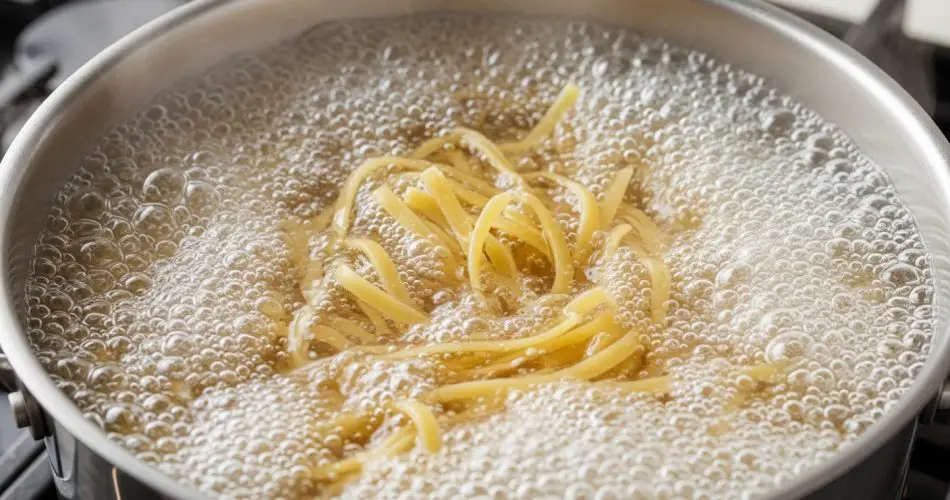
But this everyday habit may not be as harmless as it seems.
The main concern is not just the water itself, but the combination of very high heat, starch, grease, food particles, and the type of plumbing under your sink. In many homes, especially newer ones, some drain parts may include plastic pipes, rubber seals, or connectors that are not designed to handle boiling water repeatedly.
Boiling water can reach around 212°F, which is much hotter than ordinary hot tap water. If it is poured directly into the sink again and again, that sudden heat may put stress on pipes, joints, seals, and fittings over time. The risk can be higher if the drain is slow, partly clogged, or if very hot water sits in one area instead of flowing away quickly.
Pasta water creates another issue because it contains starch. When pasta, rice, or potatoes cook, they release starch into the water. That cloudy, sticky liquid can cling to the inside of pipes, especially when mixed with grease, soap residue, or tiny food scraps. Over time, this buildup may contribute to slow drainage and unpleasant sink problems.
This does not mean you need to panic every time you boil pasta. The smarter approach is simply to change the habit.
If possible, let the cooking water cool for several minutes before draining it. You do not have to wait until it becomes completely cold. Just giving it time to stop steaming heavily can reduce the shock to your plumbing.
If you need to drain it right away, run cold water from the faucet at the same time. This helps lower the temperature as the hot water enters the drain. It is a small step, but it can make the process gentler on your pipes and sink parts.
You can also reuse some types of cooking water instead of throwing them away. Unsalted pasta water can help loosen sauces and make them cling better to noodles. Cooled, unsalted vegetable or potato water may be used for some plants, but avoid using salty or oily water in the garden. Warm starchy water can also help soak greasy pans before washing.
The bigger lesson is simple: your sink is not a trash can. Avoid pouring grease, oil, thick starchy water, coffee grounds, and food scraps down the drain whenever possible. These things can collect inside the pipes and lead to clogs later.
A few small kitchen habits can help protect your plumbing: use a sink strainer, wipe greasy pans with a paper towel before washing, let very hot liquids cool, and run plenty of water when rinsing dishes.
It may seem like a tiny change, but pausing before you dump boiling cooking water down the sink can help keep your kitchen drain cleaner, safer, and easier to maintain.


