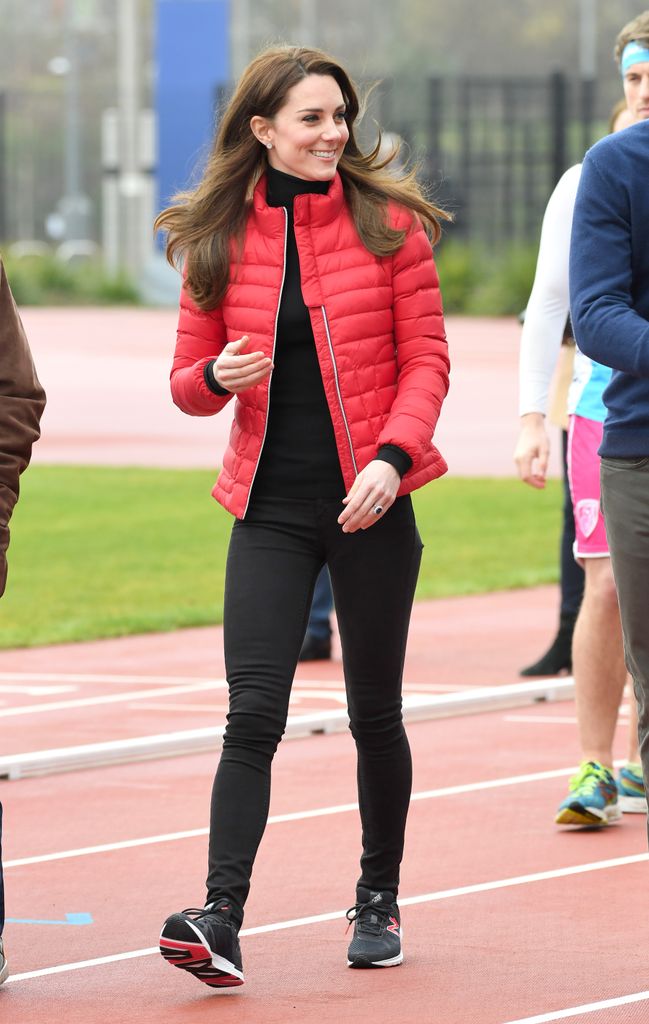
Princess Kate’s Three Peaks Fitness Routine Shows The Strength Behind Her Mountain Challenge
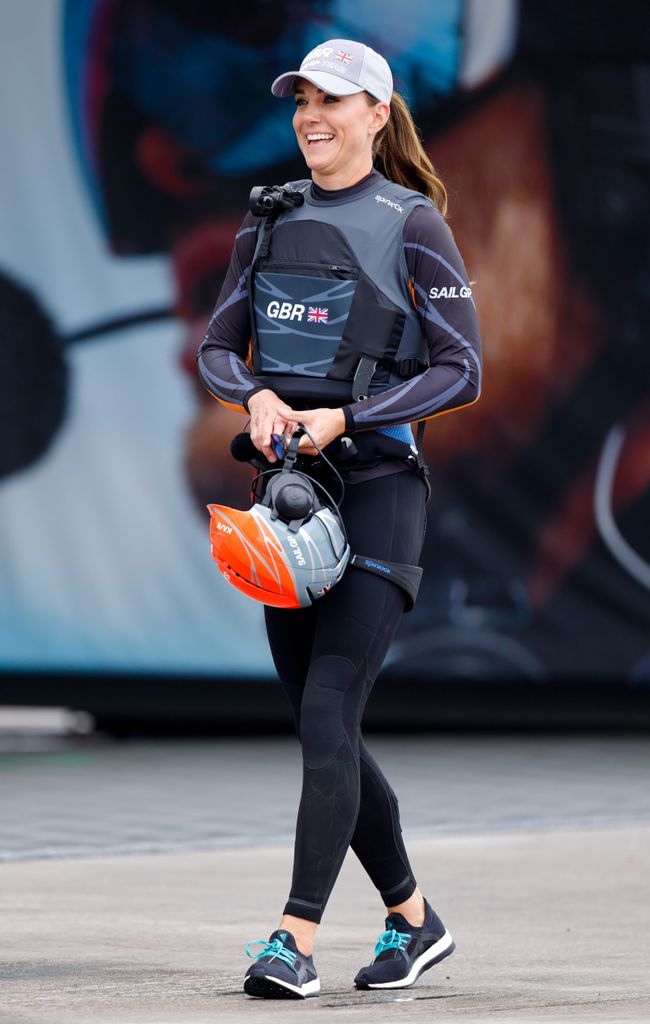
The Princess of Wales has once again shown the quiet determination that royal watchers have come to associate with her public life, after completing the National Three Peaks Challenge in support of The Royal Marsden.
Kate, 44, climbed Ben Nevis in Scotland, Scafell Pike in England and Yr Wyddfa, also known as Snowdon, in Wales, taking on one of the UK’s most demanding mountain tests. The challenge involves long hours on steep terrain, limited recovery time between climbs and a level of stamina that requires more than casual fitness.
The royal mother-of-three said the trek was not simply about physical effort. It was also about giving something back after her own experience with serious illness and highlighting the support patients need beyond treatment itself.
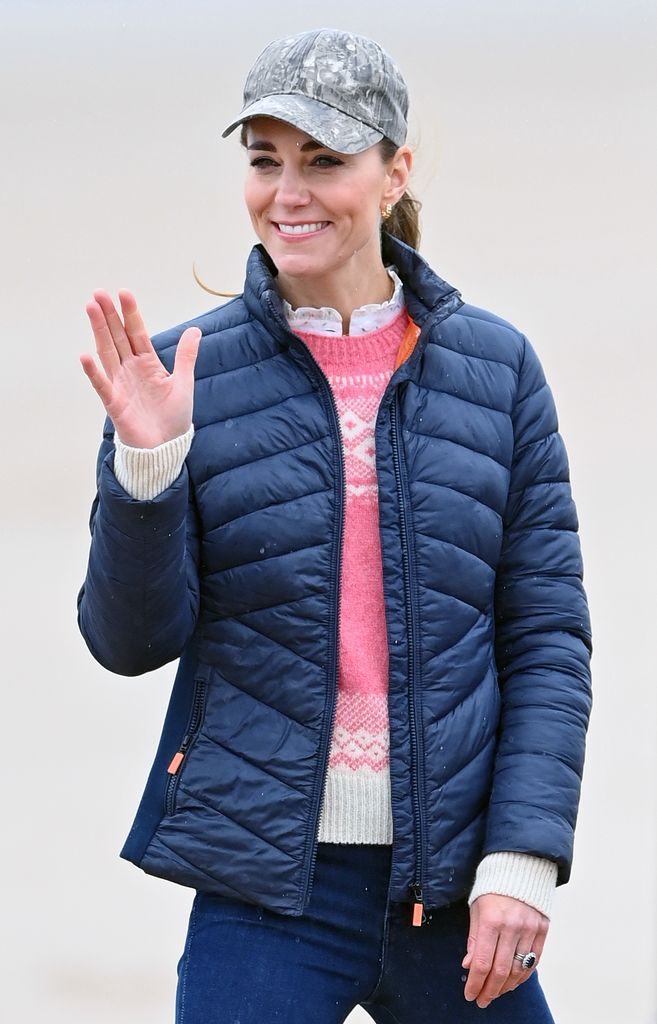 © Getty Images
Princess Kate’s go-to method of strength training
Strength, stamina and mountain preparation
Fitness experts say a challenge of this scale would demand a strong base of resistance training, cardiovascular endurance and careful preparation for uneven ground. While Kate’s exact training plan has not been publicly detailed, she has long been known for her active lifestyle and love of sport.
Strength training is likely to have played a key role. Experts told HELLO! that building muscle is not only useful for appearance, but also vital for posture, bone health, energy, metabolism and long-term independence. Exercises such as squats, lunges, push-ups, rows and planks can create the foundation needed for long climbs and repeated ascents.
Resistance bands, dumbbells and bodyweight movements are often recommended for beginners because they help build strength without placing too much pressure on the joints. The same principles would be valuable for anyone preparing for steep mountain paths, where the legs, core and balance are constantly tested.

Why Kate’s varied routine matters
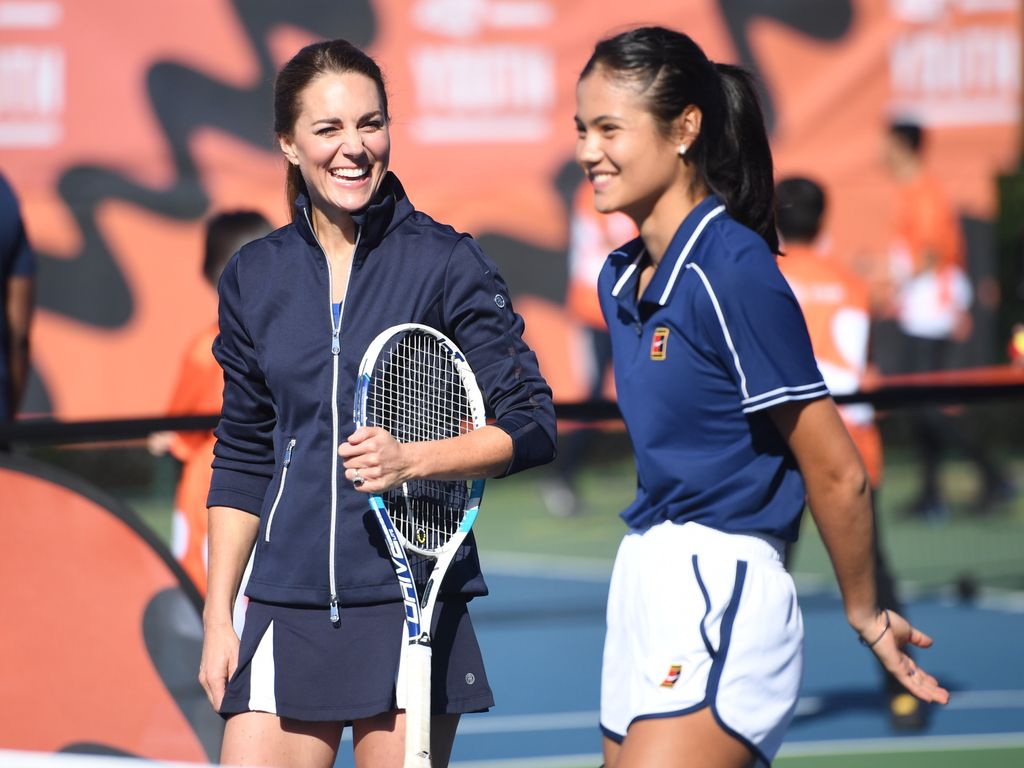
The Princess of Wales has often been linked with a wide range of sports, from tennis and running to sailing, rugby and gym-based training. Reports have also suggested she has taken part in CrossFit-style workouts, which combine strength, agility and high-intensity conditioning.
That variety may be one reason her Three Peaks achievement has impressed so many people. Mountain challenges do not rely on one type of fitness alone. They require powerful legs, a strong core, cardiovascular capacity and the mental discipline to keep moving when the body is tired.
Running is another part of Kate’s active lifestyle that may have helped prepare her. It supports heart and lung health, builds powerful leg muscles and can also boost mental wellbeing by helping reduce stress and improve mood.
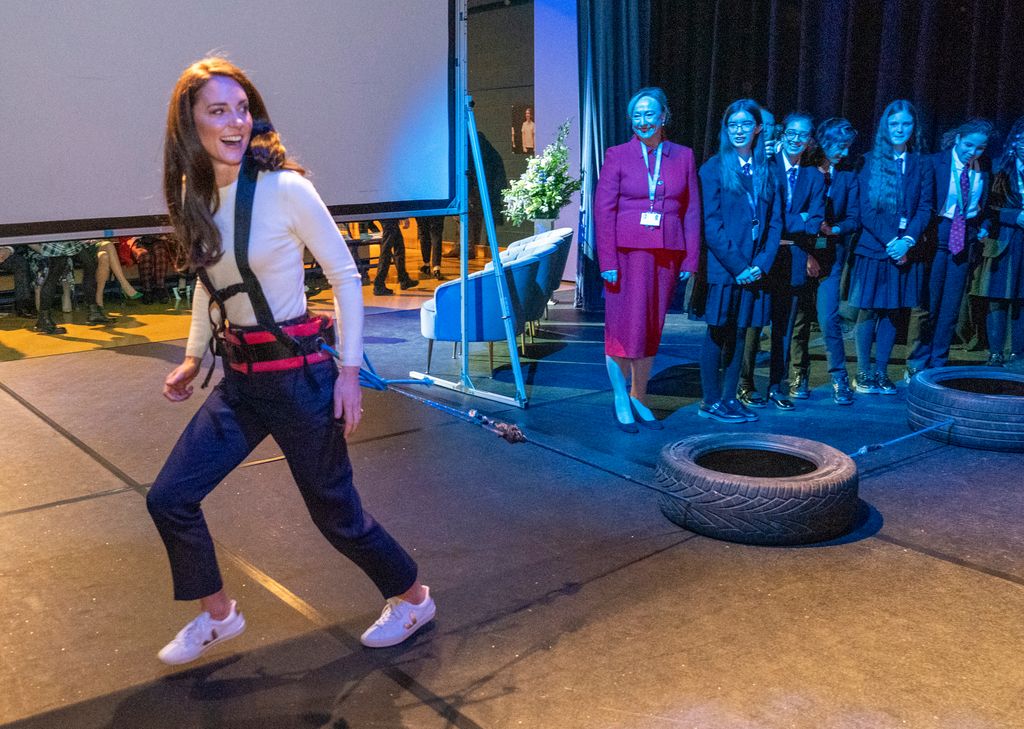
A personal message through action
Kate’s challenge carried extra meaning because it supported The Royal Marsden, the hospital where she received treatment. The Princess has spoken about the wider impact of serious illness, describing how it can affect people physically, emotionally, psychologically and spiritually.
 By taking on the Three Peaks, she turned a gruelling physical challenge into a deeply personal act of awareness. Her message was not only about endurance, but also about recovery, connection and making sure people facing serious illness do not feel unseen or unsupported.
For many royal fans, the image of Kate pushing through misty mountain conditions offered a striking reminder of her resilience. It was a demanding challenge, but also a symbolic one: a future Queen using strength, discipline and purpose to shine a light on others.