
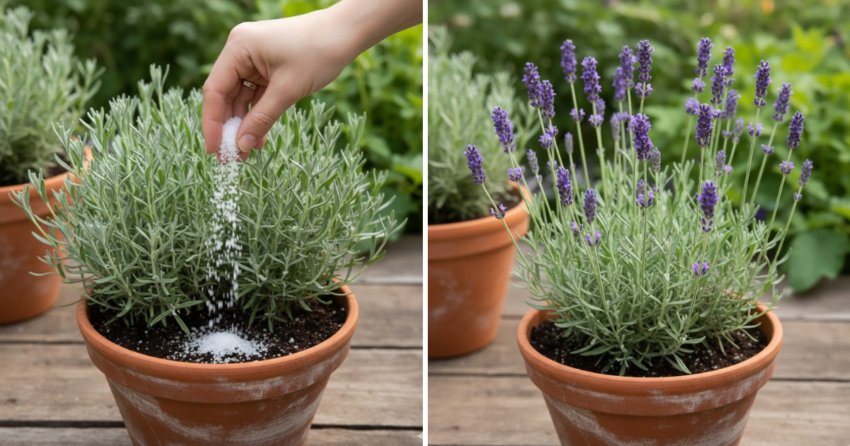
Because a happy lavender plant is a blooming machine!
There’s nothing quite like walking past a lavender plant in full bloom—the scent, the color, the buzz of bees all around. But here’s the thing: getting your lavender to bloom big and keep those flowers coming isn’t just about sunshine and watering. Feeding it the right way can make all the difference between a few modest sprigs and a full-blown lavender showstopper.
Let’s dig into how to feed your lavender for lush, long-lasting blooms that’ll make your garden smell like the south of France.
1. Know Your Lavender’s Nature
Lavender may look fancy, but it’s not a diva. It naturally grows in poor, rocky soils along sunny Mediterranean hillsides. That means it hates heavy feeding or soggy soil. In fact, too much fertilizer—especially nitrogen—can make it grow lots of green leaves but barely any flowers.
Think of it this way: lavender thrives on a “less-is-more” diet. The right feed gives it just enough nutrients to push out healthy blooms without drowning it in excess.
2. The Best Fertilizer for Lavender
When it comes to feeding lavender, skip anything rich and nitrogen-heavy. Instead, go for a balanced or low-nitrogen fertilizer with a ratio close to 5-10-10 or 4-8-12 (that’s N-P-K for nitrogen, phosphorus, and potassium).
-
Phosphorus encourages strong flower production.
-
Potassium strengthens stems and improves bloom longevity.
-
Low nitrogen keeps growth compact and prevents floppy, leggy stems.
If you prefer organic options (and who doesn’t?), try:
-
Bone meal or rock phosphate for flower power
-
Wood ash or kelp meal for potassium
-
Compost tea or diluted fish emulsion for a mild nutrient boost
A little goes a long way. Feed lightly—lavender doesn’t need much to shine.
3. When to Feed Lavender
Timing is everything. The best time to feed lavender is in early spring, just as new growth begins to emerge. That’s when the plant wakes up from its winter nap and starts stretching toward the sun.
You can also give it a gentle mid-summer feed—especially if you’ve harvested the first round of blooms and want a second flush. Avoid feeding in late summer or fall, though, since new growth might get damaged by winter cold.
Pro tip: Always water your lavender before fertilizing. Applying fertilizer to dry roots can burn them, and that’s the last thing you want.
4. How to Feed Lavender (Step by Step)
Here’s a simple feeding routine that keeps your lavender blooming beautifully:
-
Loosen the soil around the base—just a little—to help nutrients reach the roots.
-
Sprinkle a small handful of granular slow-release fertilizer (or your organic mix) evenly around the root zone.
-
Gently water to help nutrients soak in.
-
Mulch lightly with pea gravel or crushed eggshells to retain moisture and keep roots cool.
That’s it! Lavender doesn’t ask for much—just a quick snack and a sunny seat.
5. Potted Lavender Needs a Bit More Love
If you’re growing lavender in containers (and many gardeners do), nutrients wash out faster with watering. That means your potted lavender will appreciate a diluted liquid feed every 4–6 weeks during spring and summer.
Use a mild organic fertilizer or compost tea at half strength. Always check that your pot has good drainage—lavender hates wet feet more than anything.
6. Bonus Tip: Companion Care for Blooms That Last
Want your lavender to bloom even longer? Combine good feeding with a few easy habits:
-
Trim lightly after flowering to encourage a second round of blooms.
-
Give it full sun—at least six hours daily.
-
Avoid overwatering. Dry roots mean more essential oils and richer blooms.
-
Skip the mulch made from bark or compost. Use gravel or sand instead for better drainage.
These small touches make a big difference when you’re chasing endless lavender blooms.
7. The Takeaway: Feed Smart, Not Hard
Feeding lavender is more about timing and balance than quantity. A gentle, low-nitrogen fertilizer in early spring, a sunny spot, and well-drained soil—that’s the secret trio for bigger, longer-lasting blooms.
So next time your lavender looks a bit shy, don’t rush to pour on the fertilizer. Give it what it really wants: a light touch and a little patience. Soon enough, you’ll have lavender that’s bursting with color and perfume all season long.


