
Under the changes, workers will face a £2,000 cap on pension contributions via salary sacrifice before National Insurance (NI) becomes payable.

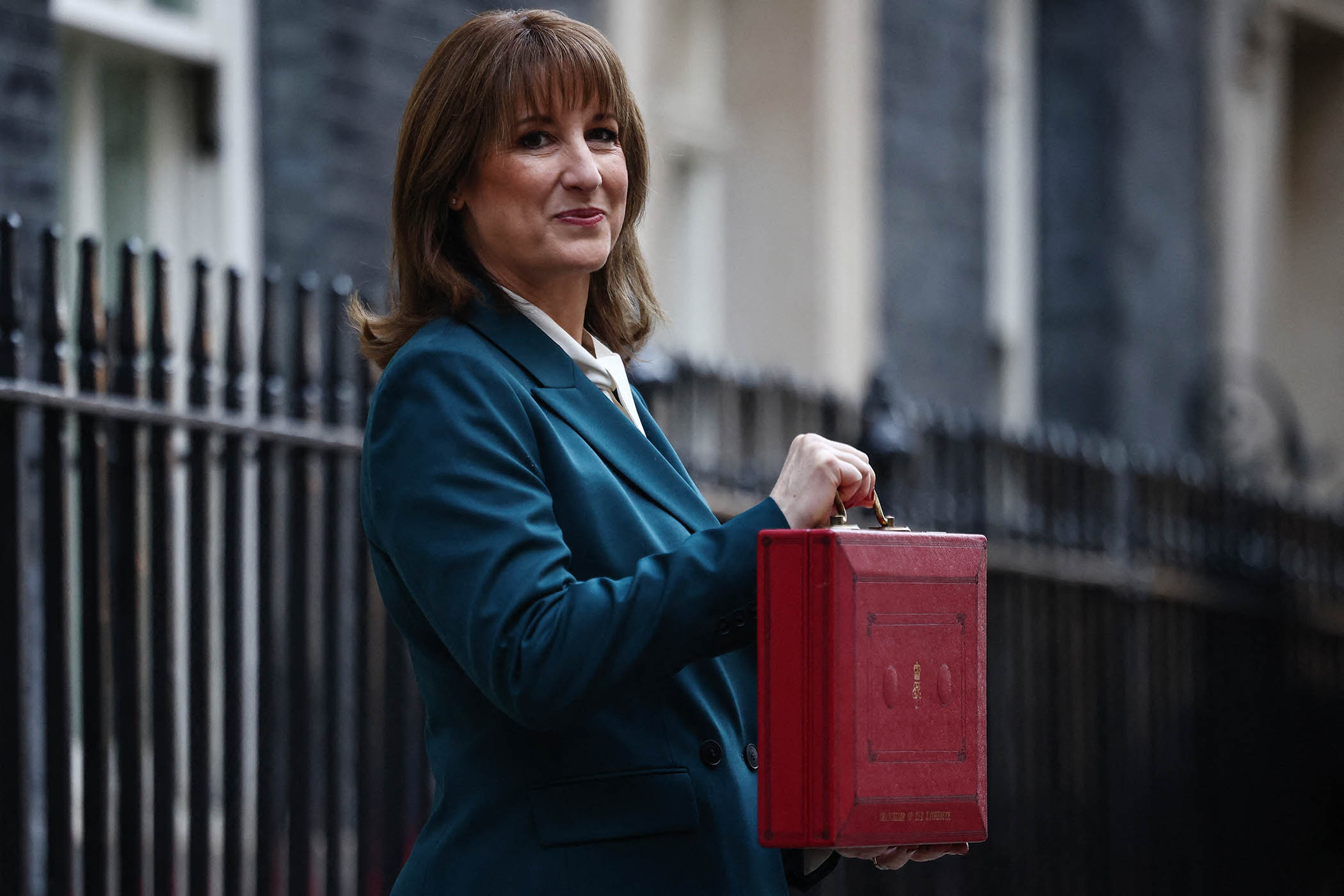
𝘙𝘢𝘤𝘩𝘦𝘭 𝘙𝘦𝘦𝘷𝘦𝘴 is the Chancellor of the Exchequer (Image: Getty)
𝘙𝘢𝘤𝘩𝘦𝘭 𝘙𝘦𝘦𝘷𝘦𝘴’s £5 billion raid on pensions will leave nearly three million workers poorer in retirement, official figures have revealed. HM Revenue & Customs (HMRC) estimates that around 2.9 million people will slash pension contributions once restrictions on salary sacrifice schemes take effect in 2029.
Of those, 2.2 million are higher-rate taxpayers, but strikingly 666,000 are basic-rate earners on less than £50,271 a year. The data, released via a Freedom of Information request submitted by former pensions minister Sir Steve Webb, expose the wide-reaching impact of the policy announced in the Chancellor’s second Budget.
Under the changes, workers will face a £2,000 cap on pension contributions via salary sacrifice before National Insurance (NI) becomes payable. The Treasury expects the move to raise £4 billion, with employers footing most of the bill through higher NI contributions — £3 billion of the total in 2029-30 alone.
This comes on top of the £25 billion employer NI raid unveiled in Chancellor Ms Reeves’s maiden Budget, raising fresh concerns that the measures are becoming a stealth tax on jobs. Businesses are expected to recoup costs by offering smaller pay rises to staff.
Sir Steve Webb, now a partner at LCP consultants, told the Telegraph: “The Government has presented the changes to salary sacrifice for pensions as being a relatively painless way of cracking down on a tax break mostly enjoyed by the well-off.
“But these figures show that the effects of the policy will be far more damaging than had previously been admitted.”
The raid comes less than a month after a major government-commissioned review warned that 15 million people are under-saving for retirement, with middle earners, women and the self-employed most at risk.
Sir Steve criticised the lack of “joined-up government”, noting that one arm of policy urges greater pension saving while another actively discourages it.
He added: “At a time when the Government is running a major commission to tackle the issue of pension under-saving, it is shocking that a separate government policy will result in over 2.9 million workers cutting back on pension saving.
“Nearly 25 % of these are basic rate taxpayers.”
Separate analysis by the Institute for Fiscal Studies found one million households will be almost £900 a year worse off as a result.
Salary sacrifice allows workers to reduce their taxable pay in exchange for tax-free benefits, including pension contributions that avoid both income tax and NI. Employers also save on NI.
The policy is likely to fuel further business frustration with the Government’s tax-raising approach and intensify debate over whether Labour’s fiscal strategy is undermining long-term retirement security for millions of Britons.
An HM Treasury spokesman said: “High earners piled in huge bonuses through salary sacrifice without paying a penny in tax – a taxpayer-funded perk largely benefitting the better off.
“Our fair reforms protect 95% of workers earning under £30,000 using salary sacrifice will be protected, and as IFS analysis shows, over three quarters of under 30s will be unaffected.”


