
In an unprecedented moment that’s sending shockwaves through British politics, BBC host confronts Shadow Chancellor Rachel Reeves in a live broadcast blunder that left viewers and political analysts alike in astonishment. The startling exchange unfolded during a high-stakes interview on BBC’s Newsnight, leaving audiences questioning not just the competency of political figures, but the integrity of media interviewing practices in a turbulent electoral landscape.

The atmosphere in the studio was tense as Reeves, who has been regarded as a formidable voice in the Labour Party, appeared caught off guard by the host’s sudden pivot to a critical issue surrounding her party’s fiscal policies. This crucial moment—airing live without warning—offered a rare glimpse into the often-guarded dynamics between journalists and public officials, going viral in mere moments and igniting conversations across social media platforms.
As the cameras rolled, the host pointedly asked Reeves about the discrepancies in Labour’s economic manifesto, specifically addressing the palpable ambiguity surrounding their commitment to funding public services while simultaneously promising tax cuts. An uncomfortable pause marked the beginning of what was set to be an explosive rebuttal. The host, known for their tenacious interviewing style, insisted on clarity, sparking palpable tension as Reeves attempted to regain her footing in the face of an unforgiving audience.
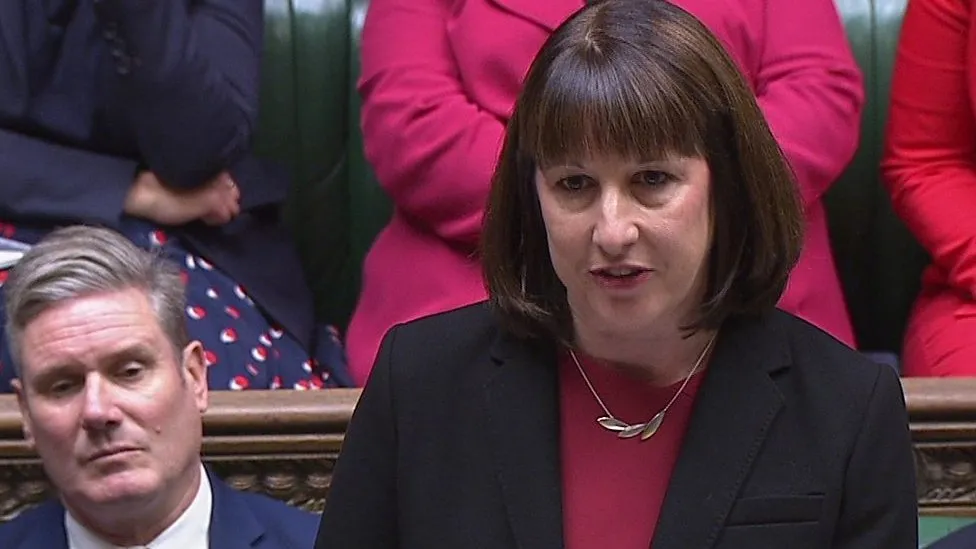
“This is not just a matter of numbers,” the host charged. “It’s a question of integrity. Voters need to know how your proposed policies will affect their lives directly. Do you really expect the electorate to trust your party with such vague projections?” The piercing question struck at the heart of the party’s credibility, reeling in viewers who braced themselves for a fiery exchange.
Reeves, visibly flustered but striving to maintain composure, launched into a defense for Labour’s economic strategy. However, the host remained relentless, refuting Reeves’ points with incisive follow-ups that exposed weak links in her rationale. “We need to understand, how will you reconcile these competing promises? The stakes couldn’t be higher, and voters demand more than just election year platitudes,” the host pressed, leaving no room for evasive answers.
Social media erupted with reactions as clips of the interview circulated rapidly. Analysts and commentators quickly took to platforms like Twitter and Facebook, sharing their astonishment at the live confrontation and dissecting every moment of the exchange. Discussion ranged from support for the host’s hard-hitting style to concerns over how the Labour Party plans to address the gaps in their messaging.
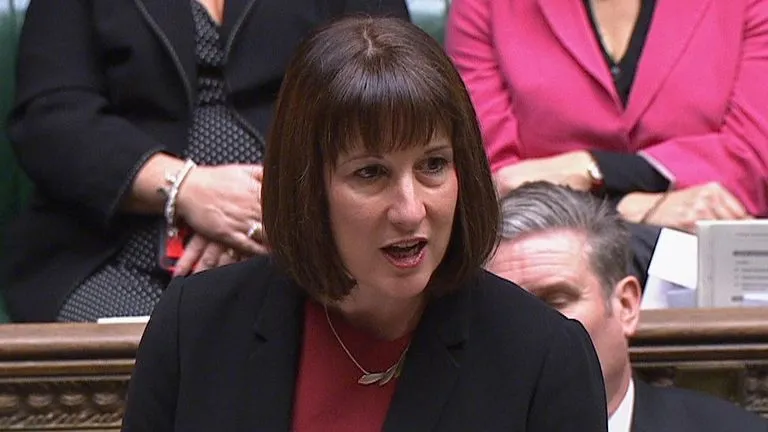
Political critics began weighing in, pointing out this blunder as a potential seismic shift in public perception. “This isn’t just a gaffe; it’s a moment that could define the upcoming elections,” commented political strategist Sarah Tindall. “The electorate is tuning in to every detail. If Rachel Reeves and her team don’t course-correct swiftly, Labour could face significant ramifications.”
As the interview concluded, Reeves appeared shaken but managed to reiterate her party’s commitment to transparency and economic reform. However, the effectiveness of her message in light of the live confrontation remains to be seen. Will the Labour Party emerge unscathed from this contentious exchange, or has this moment exposed vulnerabilities that could spell disaster come election day?
Viewers are still reeling from the impactful segment, which showcased the fragility of political rhetoric when caught in the crosshairs of rigorous journalism. The urgency of the situation is palpable as the political landscape shifts beneath their feet, making it clear that every word spoken by prominent leaders during this live exchange will be scrutinized endlessly.
The ramifications of this interaction extend far beyond the studio walls, signaling to all that the stakes of political accountability have never been higher. As we stand on the cusp of what could be a defining electoral battle in the UK, one thing is certain: the pressure is mounting, and every moment counts. What will the Labour Party do next? How will they refine their message in response to this blistering on-air critique? The answer might not just shape their political future but could very well redefine how political discourse is approached in media outlets for years to come.
Stay tuned, as this developing story continues to unfold. The implications of this shocking live TV moment may not just resonate within political circles but send bells ringing throughout the entire electorate as they prepare to make critical decisions in the upcoming votes. This isn’t just an interview gone awry; this is politics at its most visceral, revealing the fragility of trust, the complexities of governance, and the unyielding gaze of public scrutiny. Millions will be watching closely as every party must adapt swiftly to a landscape reshaped by urgency and demand for accountability.


