Reports claiming Maddow Colbert and Kimmel abandoned corporate networks detonated online instantly reframing media power debates and sparking fierce arguments about independence credibility funding influence accountability trust audiences institutions nationwide.

The story suggested a coordinated walkout launching an advertiser free newsroom promising corruption exposure authority challenges and direct journalism delivery provoking excitement skepticism fear and intense speculation across platforms globally.
Supporters framed the move as liberation from executives contracts ratings pressure and diluted narratives arguing independence could restore investigative rigor transparency courage patience and public trust again nationwide today broadly.
Critics countered that celebrity led newsrooms risk echo chambers blurred standards financial fragility and personality dominance replacing institutional safeguards with performative influence and untested governance models for media ecosystems everywhere.
Rachel Maddow reportedly emphasized documentation context and methodical sourcing positioning the venture as slower evidence first reporting resisting algorithmic outrage cycles dominating contemporary political media landscapes nationally digitally culturally today.
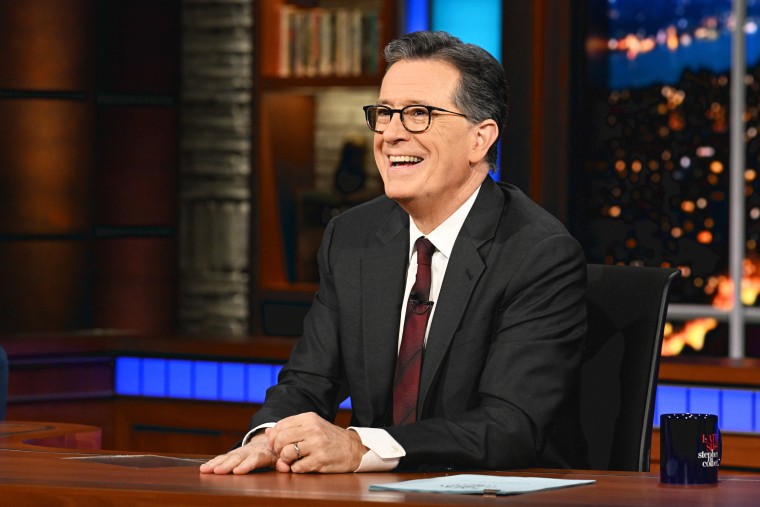
Stephen Colbert was described as applying disciplined satire to puncture hypocrisy without shouting aiming to create reflection rather than polarization during volatile election driven information storms across American discourse spheres.
Jimmy Kimmel contribution centered accessibility translating investigations into relatable narratives humor empathy and cultural fluency bridging elite reporting with mass audiences disengaged by jargon politics economics policy complexity fatigue nationally.
Together the trio symbolized a hybrid newsroom blending analysis satire and storytelling challenging decades old broadcasting hierarchies advertiser leverage and executive gatekeeping power structures norms incentives cultures practices industries worldwide.
Network insiders allegedly reacted with alarm modeling audience loss advertiser shifts talent defections and regulatory questions as competitors reassessed contracts risk tolerance and editorial positioning strategies quickly internally confidentially nationwide.
Executives publicly denied censorship claims asserting standards legal review and advertiser considerations protect accuracy safety and sustainability within litigious polarized markets facing constant scrutiny volatility competition disruption economics pressures today.
Audience response proved electric with subscription pledges donations and signups surging as viewers expressed hunger for alternatives amid declining trust in legacy outlets media institutions narratives gatekeepers credibility nationally now.
Skeptics urged caution noting enthusiasm often outpaces delivery and independent operations face sustainability challenges staffing costs security legal exposure and burnout risks over time cycles budgets growth phases environments realistically.
The project revived broader questions about journalism purpose whether neutrality equals complicity and how independence intersects with accountability transparency corrections and governance in practice ethically sustainably credibly publicly consistently today.
Media scholars debated risks of personality centric influence arguing credibility must rest on processes evidence peer review and institutional memory rather than fame branding charisma reach virality incentives algorithms economics.
Politicians monitored developments cautiously anticipating intensified scrutiny fundraising exposure lobbying transparency and narrative control should the newsroom pursue aggressive investigations across agencies campaigns parties committees donors records timelines jurisdictions nationally.
Advocates welcomed tougher oversight believing democratic resilience depends on fearless reporting capable of confronting power regardless of affiliation ideology or donor pressure influence constraints incentives threats access retaliation risks persistence.
International observers compared the experiment to nonprofit models noting successes failures and lessons about trust funding scale and independence across jurisdictions cultures laws markets politics histories expectations audiences globally today.

They cautioned celebrity leadership attracts scrutiny requiring robust governance firewalls corrections protocols and transparency to withstand attacks and mistakes misinformation litigation harassment pressure polarization backlash fatigue burnout security threats cycles.
Inside the newsroom organizers reportedly prioritized ethics training documentation standards legal review and clear correction mechanisms to preempt criticism skepticism bias claims errors missteps accountability lapses trust erosion narratives controversies.
They argued independence increases responsibility demanding humility accuracy and restraint when errors occur alongside openness to public scrutiny feedback corrections apologies transparency timelines audits documentation review processes governance oversight standards.
Sustaining momentum will test patience as building trust requires consistent delivery not viral moments sensational claims or constant outrage cycles incentives algorithms metrics monetization pressure competition noise distraction fatigue skepticism.
Early missteps could harden opposition while measured successes may gradually broaden support among undecided audiences seeking reliability credibility consistency fairness balance verification context accountability humility patience discipline trust confidence legitimacy.
Legacy outlets responded by reassessing investigative investments advertiser policies and talent strategies signaling competitive adaptation across the industry markets regions platforms formats audiences revenue models workflows cultures standards incentives priorities.

Some warned polarization may deepen as identities harden and audiences sort into camps around favored messengers narratives beliefs loyalties algorithms platforms influencers hosts brands tribes communities ideologies politics media ecosystems.
The controversy underscores a pivotal question whether credibility flows from institutions or individuals in an age of distrust fragmentation polarization acceleration disinformation skepticism fatigue cynicism volatility uncertainty competition attention scarcity.
Advocates argue principled individuals can rebuild trust while critics insist systems matter more than personalities safeguards processes checks balances incentives governance transparency accountability standards culture continuity resilience scale durability legitimacy.
Ultimately the newsroom represents a gamble that audiences will support slower evidence based journalism over spectacle outrage noise speed polarization clickbait sensationalism monetization manipulation fear tribalism fatigue volatility distrust distraction.
Its success or failure could reshape media economics norms and power relationships for years influencing elections governance accountability culture trust participation literacy regulation innovation investment talent platforms audiences institutions democracy.
For now anticipation fuels sharing debate and speculation as supporters celebrate possibility and opponents prepare counter narratives attacks critiques skepticism messaging framing mobilization strategy responses coverage panels commentary discourse cycles.
The experiment tests whether courage restraint and transparency can outperform scale money and legacy influence power networks reach access resources incumbency dominance inertia branding familiarity convenience habit trust loyalty momentum.

If successful it may inspire similar breakaways altering how journalism is produced consumed and trusted across regions languages cultures platforms generations markets democracies institutions industries ecosystems societies globally longterm profoundly.
If it fails critics will cite hubris sustainability limits and the enduring value of institutions experience infrastructure scale standards checks balances governance continuity accountability resources expertise memory resilience legitimacy trust.
Either way the moment captures a reckoning about media trust power and responsibility influence ethics transparency accountability independence courage restraint governance credibility legitimacy democracy participation literacy culture economics politics society.
Audiences now decide whether to reward experimentation with attention patience funding and faith trust time subscriptions donations engagement loyalty advocacy sharing scrutiny criticism feedback accountability expectations standards judgment discernment support.


