
It begins quietly… almost too quietly. And that’s exactly what makes the NCIS Season 23 finale so unsettling 👀🔥
For longtime viewers, Timothy McGee has always been more than just an agent—he’s been the steady core of the team, the one who grew up before our eyes. From a nervous newcomer to a confident leader, his journey has been one of the most consistent emotional threads in the series. That’s why what this finale hints at feels so significant—and so unexpected.

Throughout the episode, there’s a subtle but undeniable shift in tone. Conversations feel heavier, decisions carry more weight, and the atmosphere inside the team is different. It’s not just another case—it’s a moment of transition. And as the story unfolds, small clues begin to point toward something bigger: the possibility that McGee’s position may no longer be as secure as it once seemed.
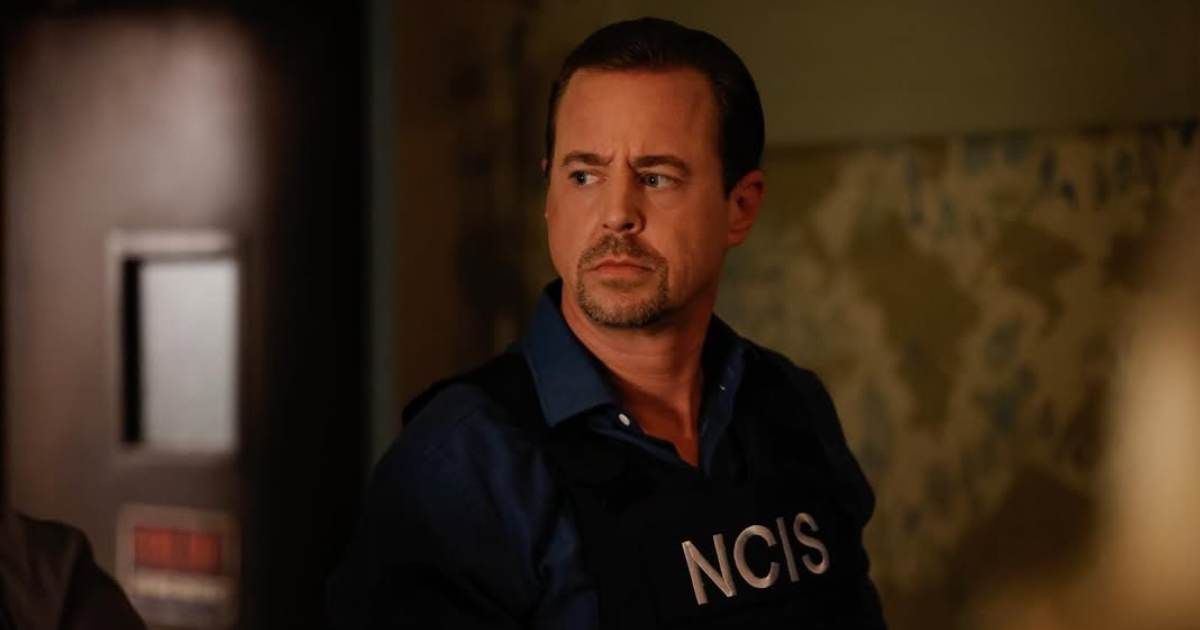
The introduction of a potential replacement doesn’t come with dramatic announcements or explosive reveals. Instead, it builds slowly, almost quietly, allowing the tension to grow beneath the surface. A new presence begins to emerge—someone who could challenge the existing dynamic, not through confrontation, but simply by being there.
That’s what makes this twist so effective. It doesn’t rely on shock value alone—it plays on emotion. Because for fans, the idea of McGee being replaced isn’t just a plot development—it’s personal. He represents continuity, loyalty, and the heart of the team. Watching that stability come into question creates a sense of unease that lingers long after the episode ends.
What’s particularly compelling is how the finale balances this uncertainty with McGee’s own internal journey. There’s a sense that he’s aware of the shift, even if it’s not fully spoken. His reactions—measured, thoughtful, slightly guarded—suggest a man who understands that something is changing, even if he doesn’t yet know exactly what.
The episode also raises a larger question about evolution. NCIS has always adapted over time, with characters coming and going, roles shifting, and the team evolving. This potential change feels like part of that natural progression—but it doesn’t make it any easier to accept.
At the same time, there’s ambiguity. Is this truly the beginning of a replacement arc? Or is it a test—something that will ultimately reinforce McGee’s place within the team? The finale doesn’t give clear answers, and that’s exactly why it works. It leaves space for speculation, discussion, and anticipation.
Visually and emotionally, the episode leans into this tension. Scenes are framed with a sense of distance, as if something is slowly pulling the team apart. Even moments of calm feel charged, as though they’re leading toward an inevitable shift.

Fans are already reacting strongly, with many expressing concern, curiosity, and even disbelief. Because if this really is the start of a new era, it means letting go of something familiar—and stepping into something unknown.
And that’s the real power of this finale.
It doesn’t just end a season—it plants a question that could define everything that comes next.
Because in NCIS… change doesn’t arrive loudly.
It creeps in quietly—and by the time you notice it, everything is already different.


