
For decades, Star Wars fans have argued over one surprisingly emotional question: what is the best order to watch the films?
Should newcomers begin with Episode I – The Phantom Menace and follow the timeline from Anakin Skywalker’s childhood to the rise of Darth Vader? Or should they start where the world first fell in love with the saga — Episode IV – A New Hope?
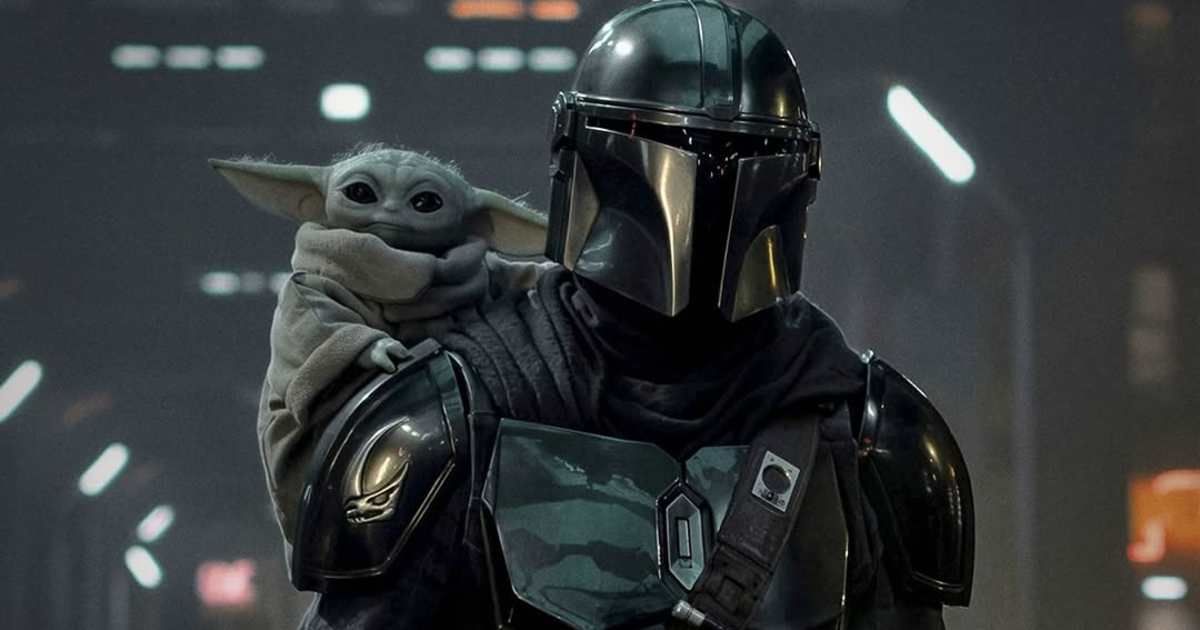
That debate has returned in a big way as The Mandalorian & Grogu puts the franchise back at the center of conversation. With Din Djarin and Grogu stepping into a new theatrical chapter, many fans are once again asking how the wider Star Wars story should be experienced.
Jon Favreau appears to lean toward the classic release order. For him, beginning with A New Hope still has a special power because it drops viewers directly into the middle of a larger, mysterious galaxy. That sense of discovery, confusion, danger, and wonder is part of what made Star Wars feel so unforgettable in the first place.
Dave Filoni, meanwhile, takes a more open view. Rather than declaring one official path, he suggests there is no wrong way to watch Star Wars. For longtime fans, that answer may feel diplomatic — but it also reflects what the franchise has become: a massive, layered universe where every generation enters from a different doorway.
Some viewers discover the saga through Luke Skywalker. Others begin with Anakin. Younger fans may even start with Grogu, Ahsoka, or The Mandalorian. That is exactly why the debate refuses to die.
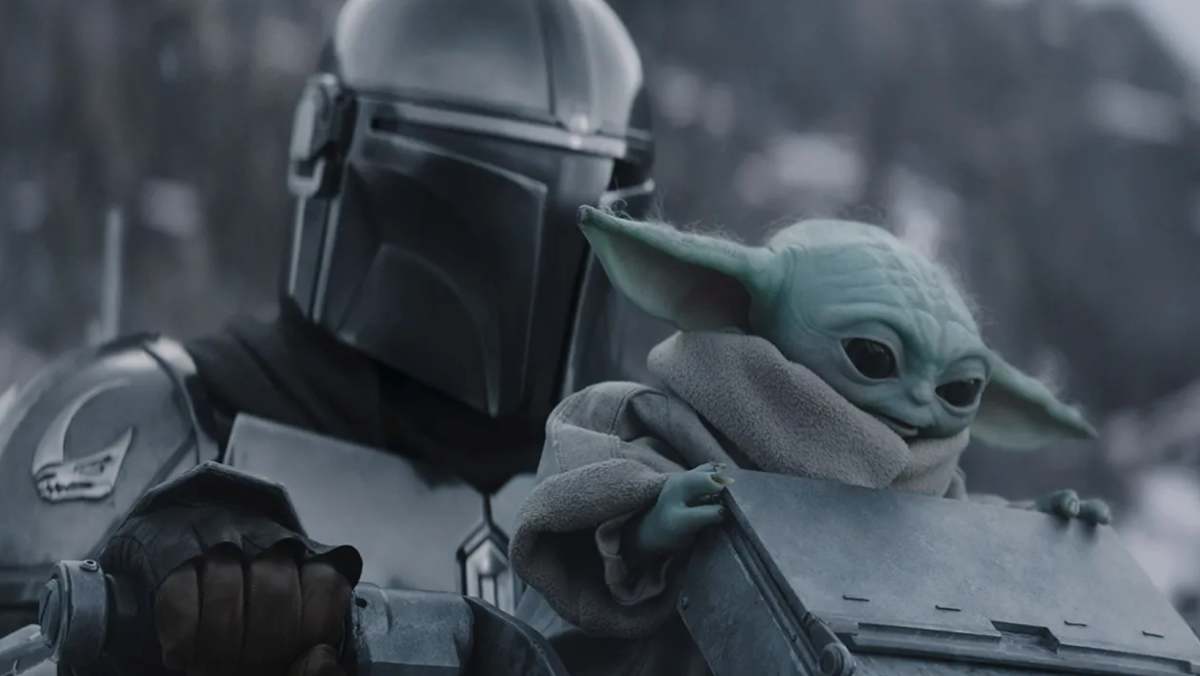
What makes the conversation even more interesting is where The Mandalorian & Grogu fits in. The film continues the story of Din Djarin and his young companion as the New Republic tries to rebuild after the fall of the Empire. It is not simply another side adventure — it is part of the expanding bridge between the original trilogy’s aftermath and the newer era of Star Wars storytelling.
In the end, the “perfect” order may depend on what kind of experience fans want. Chronological order gives the full rise-and-fall tragedy of Anakin Skywalker. Release order preserves the original shock, mystery, and cinematic evolution of the franchise.
But one thing is clear: every time Star Wars returns, the fandom returns to the same argument — and somehow, that debate is part of the magic.


