
Road trips are full of little surprises: long highways, gas station stops, packed coolers, and hungry passengers asking, “Are we there yet?” Some adventurous travelers have even experimented with warming simple snacks using the heat from a car engine.
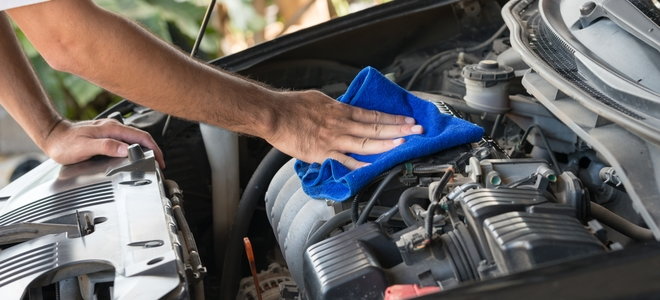
It sounds unusual, but the idea is simple. A running engine gives off heat, and if food is wrapped very securely in foil and placed carefully in a safe hot spot away from moving parts, some people use that heat to warm snacks during a long drive.
Still, this is more of a quirky road trip idea than an everyday cooking method. It should be done with extreme caution, and it is not recommended for raw meat or anything that needs precise food-safe temperatures.
One classic option is a baked potato. A potato can be wrapped tightly in several layers of aluminum foil and warmed slowly while driving. Since potatoes are firm and simple, they are one of the easier foods people mention for engine-warming experiments.
Burritos are another popular choice because they are already wrapped, easy to hold, and can be filled with cooked beans, cheese, rice, or vegetables. For safety, use fully cooked ingredients only. The goal is to warm the burrito, not cook it from raw.
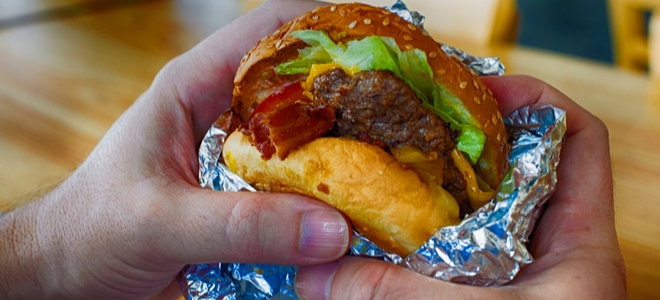
Small sliders can also work if they are already cooked before the trip. Wrap them well in foil, keep the fillings simple, and avoid messy sauces that might leak. Cheese, cooked patties, and soft rolls can become warm and melty if handled carefully.
Hot dogs or pre-cooked sausages are sometimes mentioned because they are compact and easy to wrap. Again, the key word is pre-cooked. Do not rely on an engine to safely cook raw meat.
For a sweet treat, some road trippers try s’mores-style snacks. Graham crackers, chocolate, and marshmallows can soften with heat, creating a fun campfire-inspired bite without an actual fire. Wrap them tightly so melted chocolate does not escape.
Before trying any engine-warming idea, safety comes first. Never place food near belts, fans, electrical parts, fluid caps, or anything that moves. Do not block airflow, do not let foil touch dangerous components, and never open the hood on the roadside unless it is safe to do so.
For most families, a cooler, thermos, insulated lunch bag, or portable food warmer is a much smarter option. But as a fun piece of road trip trivia, engine-warmed snacks show just how creative travelers can get when hunger strikes on the highway.


