
True story or fiction? Legends on Netflix blurs reality and deception in addictive undercover thriller that has everyone questioning the truth

What if the line between truth and fiction wasn’t just blurred—but deliberately erased? That’s exactly the unsettling question at the heart of Legends, the gripping Netflix thriller that’s quickly capturing attention with its layered storytelling and psychologically intense premise.
Set within the shadowy world of undercover policing, Legends follows a group of operatives whose job is not just to investigate crime—but to become someone else entirely. These officers don’t simply observe from the outside; they live inside their fabricated identities, embedding themselves so deeply that the line between who they are and who they pretend to be begins to disappear.
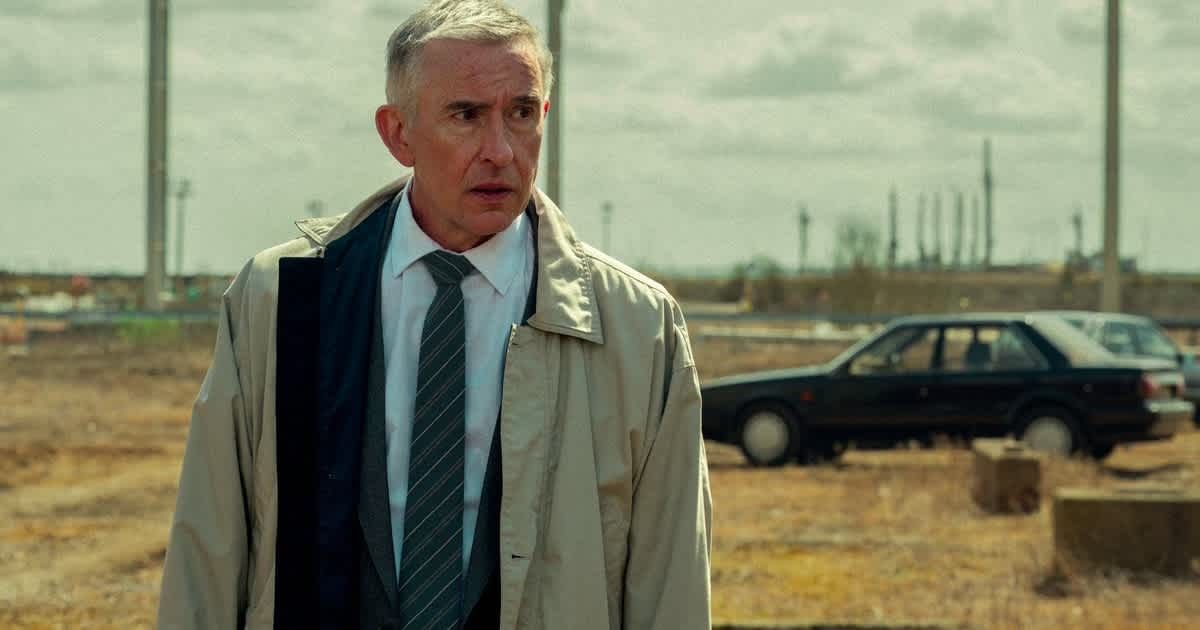
At the center of the story are characters portrayed by Steve Coogan and Tom Burke, whose performances anchor the series in emotional realism. Their roles demand more than just acting—they require a constant negotiation between truth and deception, loyalty and survival. As their missions intensify, so too does the psychological toll, creating a narrative that feels as internal as it is external.
One of the most compelling aspects of Legends is the question of authenticity. While the series is not a direct retelling of a single true story, it draws heavily from real-world undercover operations, where officers have historically adopted false identities for extended periods. These cases have often raised ethical concerns, particularly when personal relationships and emotional bonds become entangled in the mission.

The show leans into this complexity, exploring not just the danger of the assignments, but the cost of living a lie. What happens when the identity you create starts to feel more real than the one you left behind? And how do you return to normal life after crossing lines that can never truly be undone?
As the narrative unfolds, Legends builds tension through both action and introspection. There are moments of high-stakes drama—operations that could collapse at any second—but also quieter scenes that reveal the internal conflict of the characters. This balance gives the series a depth that goes beyond typical crime thrillers.
The pacing is deliberate, allowing viewers to fully absorb the weight of each decision and its consequences. Every interaction feels significant, every conversation layered with meaning. It’s the kind of storytelling that doesn’t rush, but instead draws you in gradually—until you’re completely immersed.
Visually, the series reinforces its themes through a grounded and often subdued aesthetic. The environments feel real, lived-in, and at times claustrophobic—mirroring the psychological pressure faced by the characters. There’s a constant sense that something is just beneath the surface, waiting to be revealed.

What has particularly resonated with audiences is how Legends challenges expectations. Rather than offering clear heroes and villains, it presents a world where morality is fluid and choices are rarely straightforward. This ambiguity keeps viewers engaged, prompting them to question not just the characters, but the systems they operate within.
As discussions around the show continue to grow, one thing is clear: Legends is more than just another crime series. It’s an exploration of identity, trust, and the fragile boundary between reality and illusion.
And once you step into that world… it’s not so easy to step back out.


