
Ginger, with its aromatic zing and remarkable health benefits, has become a kitchen staple worldwide. While store-bought ginger is convenient, growing your own at home can yield fresh, flavorful roots and even turn into a rewarding gardening hobby. But not all ginger plants produce the thick, robust roots we dream about. If you’ve ever wondered how to grow ginger with many roots and impressive size, this guide is for you.
Choosing the Right Ginger
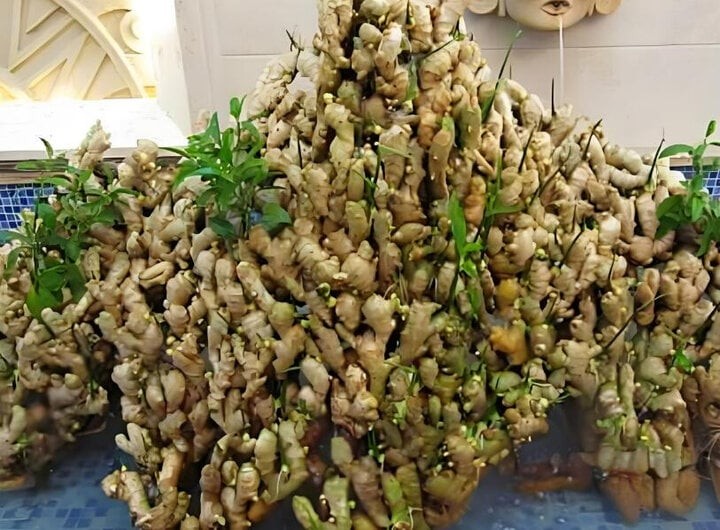
The first step in producing large, rooty ginger is selecting the right seed rhizomes. Fresh ginger purchased from a grocery store may work, but organic, plump, and firm rhizomes with visible “eyes” or growth buds are ideal. Avoid shriveled or dried-out pieces, as they are less likely to sprout. For maximum root growth, look for ginger that is young and tender, as older ginger can be woody and slow-growing.
Preparing Your Ginger for Planting
Once you’ve selected your rhizomes, preparation is key. Cut the ginger into smaller pieces, each with at least one or two healthy buds. Let the cut pieces dry for a day or two to allow the cut surfaces to form a protective layer, preventing rot when planted. This simple step can significantly increase your success rate.
Choosing the Right Container
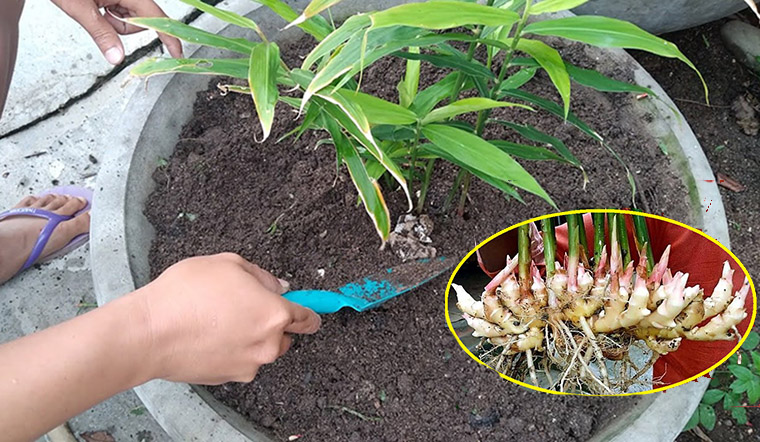
Ginger thrives in loose, well-draining soil. Since it grows underground, a deep container is preferable. A pot with a depth of at least 12 inches ensures ample space for the roots to expand. If planting in the garden, choose a raised bed or well-draining soil area to avoid waterlogging, which can stunt growth and cause root rot.
Soil and Fertilization
Ginger is a heavy feeder. A nutrient-rich soil mix with a balance of organic matter is essential for producing large roots. A mixture of garden soil, compost, and well-rotted manure works perfectly. Adding a small amount of sand improves drainage. Before planting, enrich the soil with natural fertilizers like bone meal or seaweed extract to encourage root development. Regular feeding every few weeks during the growing season ensures your ginger develops thick, healthy rhizomes.
Planting Your Ginger
Plant your prepared ginger pieces with the buds facing upwards, just 1-2 inches below the soil surface. Space each piece at least 6 inches apart to allow enough room for root expansion. Cover lightly with soil and water gently. It’s important not to overwater, as soggy soil can lead to rot. Keep the soil consistently moist but not waterlogged.
Light and Temperature Requirements
Ginger thrives in warm, humid conditions and partial shade. Direct sunlight can scorch the leaves, while too little light will slow growth. If you’re growing ginger indoors, place it near a bright window or under grow lights. Outdoor plants should receive filtered sunlight, ideally morning sun with afternoon shade. Maintaining temperatures between 70°F to 85°F (21°C to 29°C) provides the optimal environment for strong root growth.
Watering and Care
Consistent watering is essential, but the key is balance. Ginger prefers soil that is evenly moist but not saturated. During the initial sprouting phase, misting the soil surface helps young shoots emerge. Once established, deeper watering encourages roots to grow thicker and stronger. Mulching around the base retains moisture and keeps the soil cool, which supports healthy rhizome development.
Encouraging Large Roots
For truly large, rooty ginger, patience and care are crucial. Avoid harvesting too early, as immature ginger will have thin, fibrous roots. Instead, allow the plant to grow for 8 to 10 months before harvesting. This extended period allows the rhizomes to thicken and produce multiple offshoots. Occasionally loosening the soil around the ginger during growth can also stimulate root expansion, giving you a fuller harvest.
Pests and Disease Management
Ginger is relatively hardy but can be affected by pests like aphids or fungal infections. Inspect your plants regularly and use organic solutions such as neem oil or diluted garlic spray to keep pests away. Good drainage and airflow reduce the risk of disease, ensuring your ginger remains healthy and continues producing robust roots.
Harvesting Your Ginger
The reward of homegrown ginger comes at harvest time. Carefully dig around the base of the plant to avoid damaging the rhizomes. For large roots, select the thickest, mature pieces and replant any smaller offshoots to continue the cycle. Freshly harvested ginger can be stored in a cool, dry place or refrigerated for several weeks.
Final Tips for Maximum Growth
-
Choose quality rhizomes – Healthy starting material sets the foundation.
-
Feed generously – Regular organic fertilization fuels root expansion.
-
Patience pays off – Give your ginger 8–10 months for full growth.
-
Control moisture – Keep soil consistently moist without overwatering.
-
Protect from direct sun – Filtered light encourages leafy growth while safeguarding roots.
Growing ginger at home with thick, plentiful roots is not just about planting; it’s about nurturing, patience, and giving your plants the right conditions to thrive. With these steps, you can enjoy an abundant harvest of fresh, aromatic ginger—perfect for cooking, health remedies, or even sharing with friends. The journey from a small rhizome to a large, rooty ginger plant is immensely satisfying, proving that with the right care, your home garden can yield extraordinary results.


