
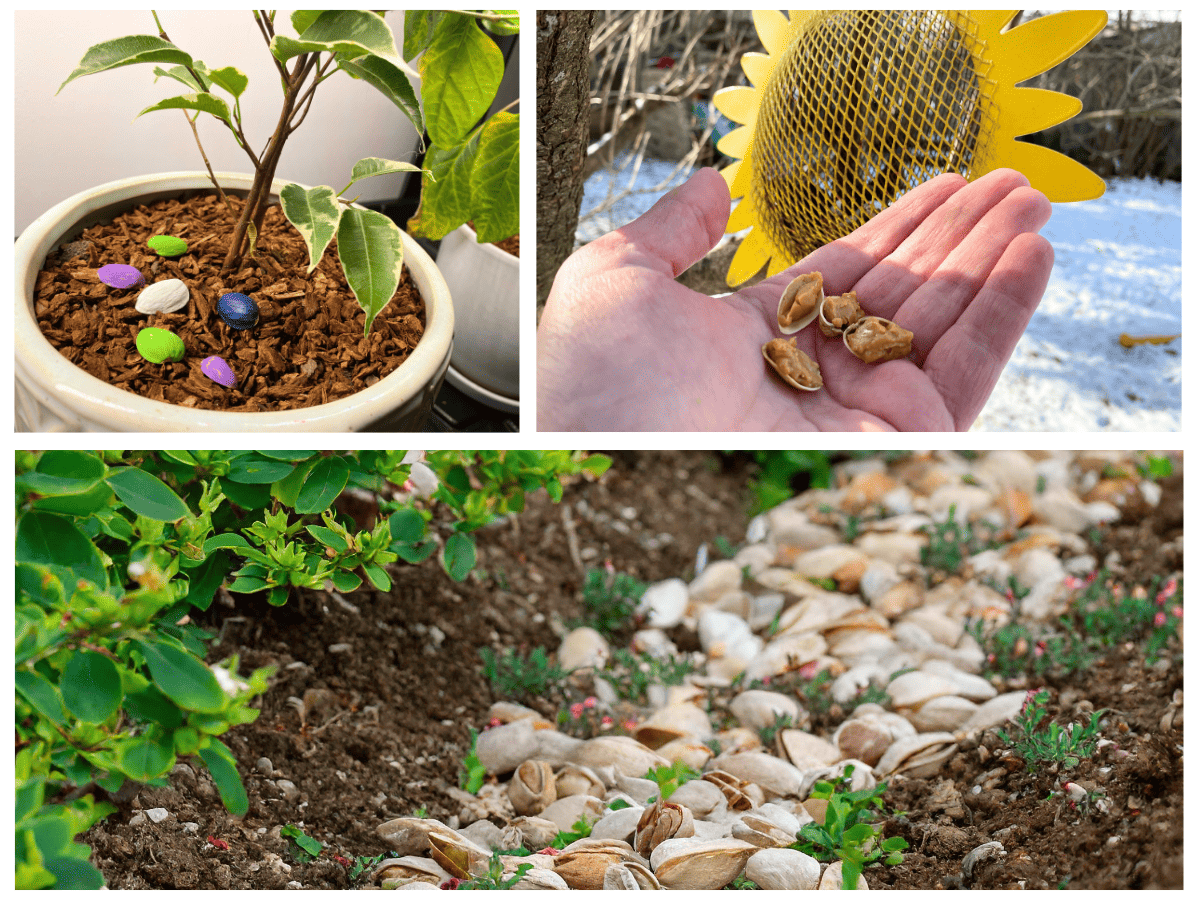
Most people mindlessly toss pistachio shells into the trash after snacking. But seasoned gardeners? They see treasure where others see waste. These crunchy leftovers can become a secret weapon in the garden—saving money, enriching soil, and even keeping pesky critters at bay. If you’ve ever wondered whether pistachio shells are worth saving, the answer is a resounding yes. Let’s dig into why smart gardeners never waste a single one.
1. Pistachio Shells as Mulch
One of the easiest and most popular ways to reuse pistachio shells is as mulch. Spread them around the base of plants, and they’ll:
-
Help retain soil moisture by slowing evaporation.
-
Suppress weeds by blocking sunlight.
-
Break down slowly, offering long-lasting ground cover.
Unlike traditional bark mulch, pistachio shells won’t decompose too quickly. This means less frequent replenishing, which saves you time and effort.
2. Boosting Soil Drainage
If your garden soil tends to compact or retain too much water, pistachio shells can come to the rescue.
-
Mix crushed shells into the soil to improve aeration.
-
Layer them at the bottom of pots or raised beds to create natural drainage.
-
Prevent root rot in moisture-sensitive plants like succulents and herbs.
Think of them as a natural alternative to perlite or gravel—without spending a dime.
3. A Natural Pest Deterrent
Pistachio shells don’t just sit pretty in the soil; they can also discourage garden invaders.
-
Scatter them around young seedlings to create a crunchy barrier that slugs and snails dislike crawling over.
-
Place them near vulnerable plants to make it harder for small rodents to dig.
It’s not foolproof, but it adds an extra layer of protection without chemicals.
4. Compost With Care
Yes, pistachio shells are compostable—but they take their sweet time to break down. To speed up the process:
-
Crush or grind them before tossing them in the pile.
-
Mix with plenty of “green” materials like fruit scraps or grass clippings.
-
Keep the pile moist and turn it regularly.
Over time, the shells enrich compost with valuable organic matter.
5. Decorative Touch in the Garden
Practical doesn’t have to mean plain. Pistachio shells add a unique, rustic look to garden beds and pathways.
-
Use them in mosaic-like patterns for walkways.
-
Add them around ornamental plants as a decorative mulch.
-
Incorporate them into DIY garden crafts like stepping stones or plant markers.
They’re functional, attractive, and eco-friendly—win-win!
6. Sustainability at Its Best
Reusing pistachio shells isn’t just about saving money—it’s about reducing waste. By giving them a second life in your garden, you:
-
Keep them out of landfills.
-
Cut down on the need for store-bought mulches and fillers.
-
Embrace a more sustainable gardening lifestyle.
It’s a small change with big environmental impact.
Tips for Using Pistachio Shells in the Garden
-
Skip the salted ones: Salt can harm plants, so rinse or soak shells before use.
-
Crush them: Whole shells are bulky; breaking them down makes them more versatile.
-
Start small: Test them in a few pots or beds before going big.
Conclusion
Next time you crack open a pistachio, think twice before tossing the shell. From mulch and compost to pest control and decoration, these humble scraps pack more gardening power than you’d expect. Smart gardeners save every pistachio shell because they know one person’s snack waste is another’s garden treasure.
So grab a bowl, snack away, and let your garden enjoy the leftovers—it’s a simple, sustainable habit that pays off season after season.


