
Lionel Messi has spent most of his career making football feel personal. Now, as Argentina prepare to face England in a World Cup semi-final in Atlanta, the feeling around him is not only about tactics, goals or trophies. It is about time running out on one of the greatest sporting stories ever told.
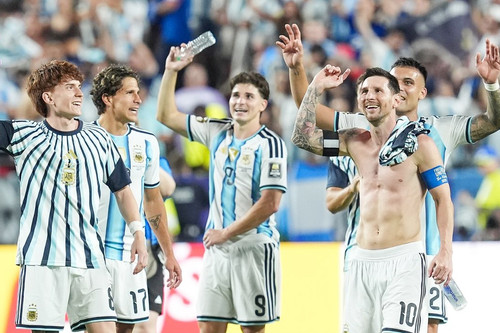
Messi is 39, still the face of Argentina, still the player every opponent fears, and still the reason thousands of supporters in the United States are chasing even the smallest glimpse of him. Around Miami, where he has built a quieter life since joining Inter Miami, his presence has become almost mythical. Fans visit restaurants linked to him, pose beside murals, buy shirts, and speak about him as if simply seeing his car pass by would be a memory worth keeping.
That is the emotional backdrop England now step into. If Thomas Tuchel’s side beat Argentina, they will not merely reach a World Cup final. They may also become the team that closes the curtain on Messi’s international career. For England supporters, victory would be historic. For Argentina, defeat could feel like the end of an era.
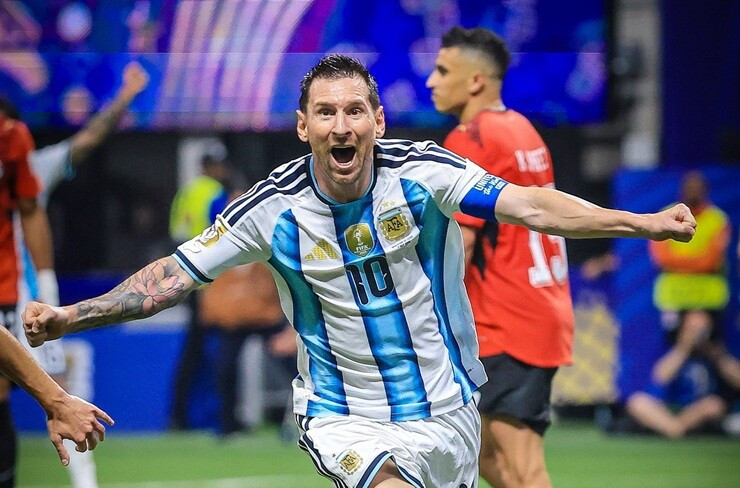
The semi-final is already loaded with rivalry. England and Argentina carry decades of football history, from Diego Maradona’s Hand of God in 1986 to David Beckham’s red card in 1998. But this meeting has another layer. It may be the first and last time Messi faces England on the World Cup stage, and that gives the match a rare sense of finality.
Messi’s adopted home in south Florida has embraced him completely. His move to Inter Miami changed the visibility of football in the city. The club’s new stadium, Miami Freedom Park, has become part of the Messi universe, complete with tributes, merchandise and a stand carrying his name. For a player still active, that kind of recognition says everything about the scale of his influence.
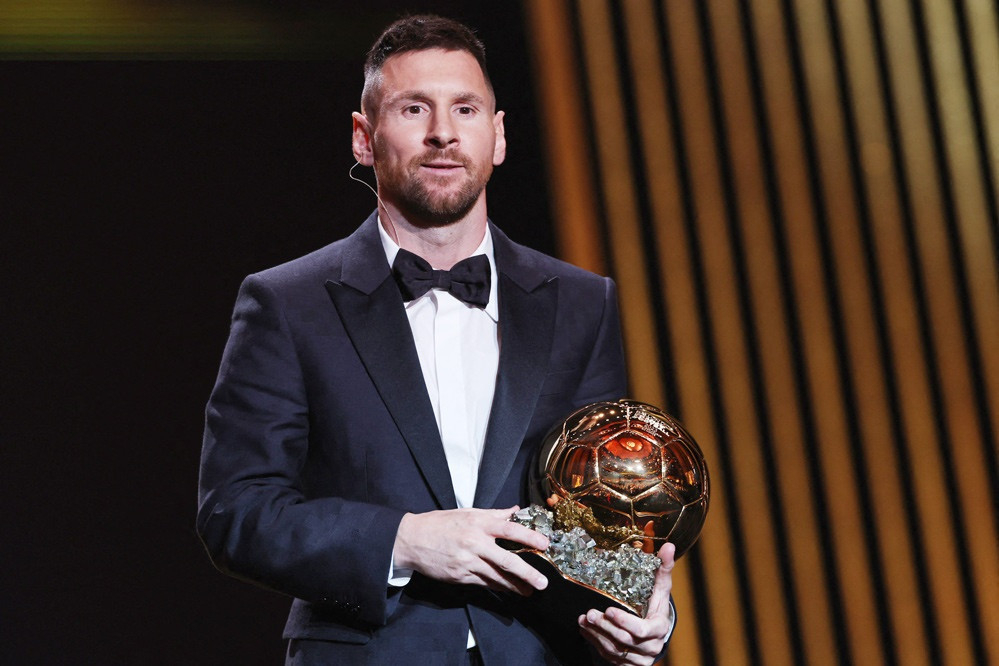
Away from the stadium, the Messi effect is just as powerful. Argentine restaurants have turned into meeting places for fans. His favourite dishes have become part of the local football folklore. Murals in Miami neighbourhoods draw tourists who want photographs with his image. In shops, on billboards and around Inter Miami’s matchday culture, Messi is not just a footballer. He has become a symbol of the city itself.
Yet the most remarkable part of this World Cup is that Messi has not been carried by nostalgia. He has been central to Argentina’s run. While many wondered whether age would finally reduce his impact, he has answered with goals, movement and moments of old magic. He has walked through games at times, as he has done for years, but that calm drifting still unsettles defenders. Then, in an instant, he appears in space and changes everything.
His tournament has deepened the contrast with Cristiano Ronaldo, whose own World Cup ended in frustration with Portugal. Ronaldo looked increasingly like a great player battling the limits of time. Messi, by comparison, still looks like Argentina’s compass. He remains the player they search for in decisive moments and the player opponents organise entire game plans around.
That does not mean Argentina’s campaign has been free of controversy. Their knockout wins have brought accusations and suspicion from opponents who believe major decisions have gone their way. FIFA officials have rejected any suggestion of bias or influence, but the debate has grown louder because Messi is such a huge global attraction. When a player becomes this commercially powerful and emotionally adored, every refereeing decision around his team is placed under a microscope.

England will know that danger well. Tuchel’s players have their own stars in Jude Bellingham and Harry Kane, and they have already survived difficult moments in the tournament. But against Messi, the challenge is different. He does not need to dominate every minute. He needs only one pass, one pause, one disguised touch, one shot placed where no goalkeeper can reach. That is why the fear around him remains so strong.
For Argentina supporters, this World Cup has become a pilgrimage. They are not just following a team. They are following a farewell tour that may or may not have one more chapter after Atlanta. Some still hope Messi could play on until 2030, especially with his club future in America extending the dream. But even those who love him most know that no career can escape time forever.

That is why this semi-final feels so heavy. If Messi wins, he moves to New Jersey with the chance to lift the World Cup again and place himself even higher in Argentina’s football mythology. If he loses, England may be remembered not only for reaching the final, but for ending the last great international adventure of the player many consider the best there has ever been.
Football is moving toward a new age, with Kylian Mbappe, Lamine Yamal, Jude Bellingham and Erling Haaland ready to shape the next era. But none of them can simply replace Messi. His genius has always been different: quieter, stranger, more delicate and more devastating. He has made the impossible look routine for so long that the sport may only fully understand what it has lost when he finally leaves.
For now, the lights still follow him. In Miami, in Argentina, and across the World Cup, people still want to believe they are close to the last dance. On Wednesday night, England will try to end it. Messi will try to make it last one more match.


